
Drinking Tea the Way Chinese People Do Every Day
- Date:
- Views:282
- Source:The Silk Road Echo
Tea isn’t just a drink in China—it’s a lifestyle, a ritual, and sometimes, a quiet act of rebellion against the rush of modern life. If you’ve ever sipped tea in a Chinese home or watched someone brew it with deliberate calm, you know: this is not about caffeine. It’s about connection, culture, and centuries of wisdom steeped into every leaf.
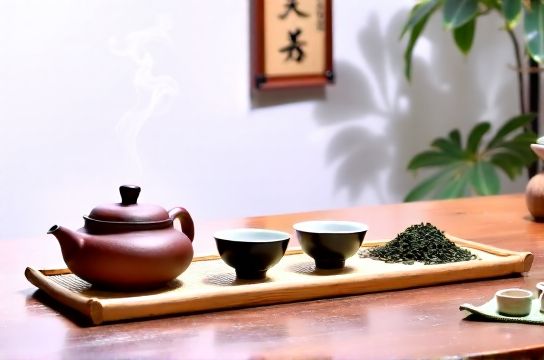
The Daily Ritual: More Than Just a Cup
In cities like Hangzhou or Chengdu, tea starts the day. Workers sip oolong at their desks; elders gather in parks with thermoses of green tea; families serve guests aged pu-erh as a sign of respect. According to the China Tea Marketing Association, over 500 million people in China drink tea daily—averaging 3–5 cups per person.
Unlike the quick coffee grab Westerners are used to, Chinese tea drinking is slow, intentional, and often social. The focus? Savoring flavor, aroma, and the moment.
Meet the Top 5 Everyday Teas
Not all teas are for ceremonies. Here are the ones real people drink daily:
| Tea Type | Flavor Profile | Caffeine Level | Avg. Price (RMB/kg) |
|---|---|---|---|
| Longjing (Dragon Well) Green Tea | Grassy, nutty, fresh | Medium | 800–1,200 |
| Tieguanyin Oolong | Floral, creamy, slightly roasted | Medium-High | 600–1,000 |
| Pu-erh (Aged Brick) | Earthy, woody, mellow | Low-Medium | 400–800 |
| Jasmine Green Tea | Sweet, floral, aromatic | Low | 200–500 |
| Huangshan Maofeng | Delicate, sweet, slightly smoky | Low-Medium | 700–900 |
Pro tip: Locals often reuse leaves 3–5 times, with each steep revealing new layers. No tea bags here—just loose leaves and a trusty gaiwan or glass mug.
Brew Like a Local: The No-Stress Method
You don’t need a full gongfu setup to drink like a Chinese tea lover. Try this simple daily method:
- Use fresh, filtered water (never boiling for green tea—80°C is ideal).
- Loose leaves only: 1 tsp per cup.
- Steep 2–3 minutes, then pour. Re-steep throughout the day.
- No milk, no sugar—let the tea speak for itself.
In offices, many use lidded glass mugs—the lid traps heat and aroma while letting you watch the leaves dance.
Tea as Social Glue
In China, offering tea is hospitality 101. Refusing it? That’s awkward. During Lunar New Year, younger folks serve tea to elders as a sign of respect—often rewarded with red envelopes!
And let’s talk about chá guăn (tea houses). These aren’t fancy spots reserved for tourists. In Guangzhou, friends meet for “morning tea” (zǎo chá) with dim sum and endless pots of shuǐ xiān oolong. In Sichuan, locals debate politics over strong jasmine tea in bustling parlors.
Why This Matters Beyond the Cup
Drinking tea the Chinese way slows you down. It’s mindfulness without the meditation app. A 2023 study by Peking University found that daily tea drinkers reported 23% lower stress levels than non-tea drinkers.
Plus, real tea—especially green and oolong—is packed with antioxidants. Regular consumption is linked to better heart health and sharper focus.
Final Sip
You don’t need to be Chinese to drink tea like one. Just respect the leaf, take your time, and share it with others. Whether it’s a $10 brick of pu-erh or hand-picked Longjing, the magic isn’t in perfection—it’s in presence.
So next time you brew, skip the rush. Warm your cup, smell the steam, and remember: in China, tea isn’t drunk. It’s lived.