
Tea Culture China as a Social Daily Ritual
- Date:
- Views:202
- Source:The Silk Road Echo
When you think of China, what comes to mind? The Great Wall? Dim sum? How about a steaming cup of fragrant tea shared among friends? In China, tea isn’t just a drink—it’s a rhythm of life, a daily ritual woven into the fabric of social interaction. From bustling city apartments to quiet village courtyards, tea is the silent guest at every gathering.
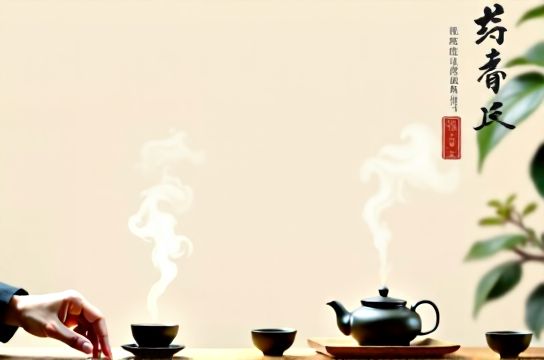
The Heartbeat of Chinese Social Life
In China, offering tea is more than hospitality—it’s respect, connection, and tradition all in one porcelain pot. Whether it’s a formal gongfu cha ceremony or a quick brew at the office, tea bridges generations. Grandparents teach grandchildren how to steep oolong just right. Business deals are sealed not with handshakes, but over slow-poured jasmine tea.
According to a 2023 report by the Chinese Tea Marketing Association, over 70% of urban residents drink tea daily, with green tea leading at 45% consumption. But it’s not just about taste—it’s about time. The average tea session lasts 20–30 minutes, creating space for real conversation in a fast-paced world.
Tea Types & Their Social Roles
Not all teas play the same role. Each variety carries cultural weight and fits different moments. Here’s a quick look at the most socially significant types:
| Tea Type | Common Region | Best For | Average Caffeine (mg/cup) |
|---|---|---|---|
| Green Tea (e.g., Longjing) | Zhejiang | Morning chats, work breaks | 20–35 |
| Oolong (e.g., Tieguanyin) | Fujian | Evening gatherings, ceremonies | 30–50 |
| Pu’er (Aged) | Yunnan | Business meetings, gifts | 40–70 |
| Jasmine Tea | Fujian/Guangxi | Family dinners, welcoming guests | 25–40 |
See how each tea has its moment? That’s the beauty of Chinese tea culture—there’s a perfect brew for every vibe.
Tea Etiquette: The Unspoken Rules
You don’t just sip tea in China—you perform it. Tapping fingers to thank someone (a nod to a Qing dynasty legend), pouring for others before yourself, warming the cups first—these gestures speak louder than words. Mess this up, and you might as well wear socks with sandals at a wedding.
In fact, a 2022 cultural survey found that 68% of locals notice tea etiquette during visits, and nearly half said poor manners left a negative impression. Yikes.
Tea in Modern China: Old Roots, New Rituals
Don’t think tradition is stuck in the past. Millennials are reinventing tea with minimalist teahouses, online tea clubs, and even ‘tea dates’ instead of coffee meetups. Apps like ChaDao+ help users track brewing times and share sessions virtually. Yet, the core remains: presence, patience, and people.
As one Beijing barista put it: ‘Coffee wakes you up. Tea slows you down. And in today’s China, we need to slow down together.’
Final Sip
So next time you’re in China—or hosting Chinese friends—skip the small talk and make tea. Not just any tea, but the kind that takes time, attention, and heart. Because in China, tea isn’t a beverage. It’s a language.