
Shanghai Modern Culture Through Architecture and Design
- Date:
- Views:239
- Source:The Silk Road Echo
If you're into modern Shanghai design, you’re not just looking at buildings—you’re diving into a story of fusion, ambition, and identity. As someone who’s walked the Bund at sunrise and wandered through Xintiandi’s hidden alleys, I’ve seen how Shanghai doesn’t just copy Western modernism—it remixes it.
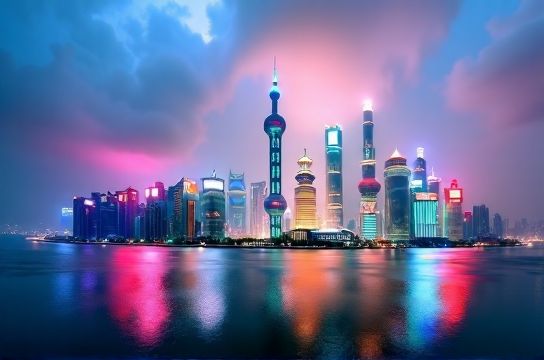
Let’s be real: most travel blogs talk about Shanghai’s skyline like it’s all glass and steel. But the real magic? It’s in how tradition dances with innovation. Think Art Deco facades meeting AI-powered smart lobbies. Or ancient courtyard layouts reimagined as co-working hubs.
Take the Rockbund Art Museum—a 1916 neoclassical building transformed by David Chipperfield Architects. They didn’t tear it down; they peeled back layers, restoring original details while adding minimalist interventions. That’s Shanghai’s design philosophy in a nutshell: respect the past, but don’t live in it.
Now, let’s talk numbers. In the last decade, Shanghai added over 42 million sqm of new commercial & residential space—that’s like dropping three Manhattans into one city. But density isn’t the goal; livability is.
| Year | New Buildings Completed (Est.) | Average Height (m) | Sustainable Rating (LEED/China 3-Star) |
|---|---|---|---|
| 2018 | 187 | 168 | 41% |
| 2020 | 215 | 189 | 56% |
| 2023 | 243 | 205 | 68% |
See the trend? Taller, smarter, greener. And it’s not just skyscrapers. Neighborhoods like Taikoo Hui and West Bund are setting benchmarks for mixed-use urbanism—where living, working, and culture aren’t separated, they’re stacked.
One underrated gem? The Shanghai Astronomy Museum by Ennead Architects. Its swooping curves mimic celestial orbits, but it’s also packed with passive cooling systems and daylight harvesting tech. It scored a China Green Building 3-Star rating—the highest possible. This isn’t just architecture; it’s environmental storytelling.
But here’s what no guidebook tells you: the soul of Shanghai modern culture lives in its adaptive reuse projects. Old textile mills becoming design hostels. Water tower cafes. Even a former power station now houses the Long Museum West Bund.
Pro tip: If you want to *feel* the city’s design pulse, skip the touristy Pearl Tower line and head to 1933 Live Meat Market. Yes, that’s its real name. This former slaughterhouse, designed by British architects in the 1930s, now hosts fashion shows and indie theater. Exposed concrete, spiral ramps, and zero nostalgia bait. It’s raw, bold, and totally Shanghai.
In the end, Shanghai’s modern identity isn’t about chasing trends. It’s about curating them—with confidence, craftsmanship, and a touch of rebellion. Whether you're an architect, a digital nomad, or just design-curious, this city doesn’t just impress. It inspires.