
How Residents Enjoy Tea Culture China at Home
- Date:
- Views:224
- Source:The Silk Road Echo
Tea isn't just a drink in China—it's a lifestyle, a ritual, and for many households, a daily dose of calm. From bustling cities to quiet villages, Chinese residents have mastered the art of bringing tea culture into their homes with elegance and ease. So how exactly do they do it? Let’s spill the tea—literally.
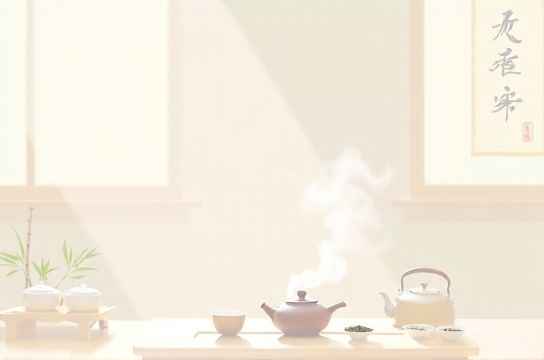
The Heart of the Home: The Tea Table
In most Chinese homes, you’ll find a dedicated tea corner—sometimes a full table, sometimes just a small tray with a gaiwan and a few cups. This isn’t just functional; it’s symbolic. The tea table is where families reconnect, friends gossip, and ideas flow as freely as the oolong.
According to a 2023 survey by the China Tea Marketing Association, over 68% of urban households brew tea daily, with green tea (like Longjing) and oolong (such as Tieguanyin) leading the pack.
Brewing Rituals: More Than Just Hot Water
It’s not about tossing a bag into a mug. Real tea culture at home means precision: water temperature, steeping time, even the order of pouring matters. Take Gongfu Cha—the 'kung fu tea' method popular in Fujian and Guangdong. It uses small clay pots (Yixing), multiple short steeps, and turns brewing into performance art.
Here’s a quick look at common teas enjoyed at home and how they’re typically prepared:
| Tea Type | Water Temp (°C) | Steep Time | Typical Vessel |
|---|---|---|---|
| Green Tea (Longjing) | 75–80 | 1–2 min | Glass cup or lidded bowl |
| Oolong (Tieguanyin) | 90–95 | 30 sec – 1 min | Gaiwan or Yixing pot |
| Pu-erh (Aged) | Boiling (100) | 1–3 min | Clay pot with strainer |
| White Tea (Baihao Yinzhen) | 80–85 | 2–3 min | Gaiwan or glass |
Tea & Daily Rhythm: When Do They Drink?
Morning kickstart? Afternoon reset? Post-dinner digestif? In China, tea fits every moment. Many start the day with light green tea to awaken the senses. Office workers might sip jasmine tea mid-morning. And after meals, aged Pu-erh is a go-to for aiding digestion.
Families often use tea time to check in—no phones, just conversation. Think of it as mindfulness before mindfulness was cool.
Passing It Down: Tea as Heritage
Grandparents teach kids how to hold a teacup properly. Parents gift Yixing pots during festivals. Tea is more than flavor—it’s memory. A 2022 cultural study found that 74% of younger adults learned tea rituals from elders, showing how deeply intergenerational this practice runs.
Bringing It Home: How You Can Embrace the Culture
You don’t need a fancy setup. Start simple: pick a quality loose-leaf tea, use a gaiwan or small pot, and focus on the process. Light a candle, play some guzheng music, and slow down. That’s the real secret of Chinese tea culture at home—not perfection, but presence.
So next time you pour a cup, remember: you’re not just drinking tea. You’re joining a 5,000-year-old conversation.