
How Tea Culture China Shapes Morning Routines
- Date:
- Views:203
- Source:The Silk Road Echo
If you've ever wondered how millions of Chinese people kickstart their day with calm, clarity, and a touch of tradition, the answer often steams from a small porcelain cup: tea. In China, morning tea isn’t just about caffeine—it’s a ritual, a reset button, and a cultural heartbeat all rolled into one.
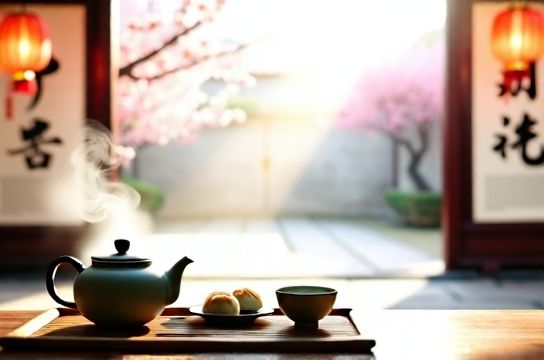
Tea culture in China dates back over 5,000 years. Legend has it that Emperor Shen Nong discovered tea when leaves blew into his boiling water. Since then, tea hasn’t just been a drink—it’s become a philosophy. And nowhere is this more evident than in the morning routines of everyday folks, from bustling Shanghai apartments to quiet village homes in Fujian.
Unlike the grab-and-go coffee culture sweeping much of the West, the Chinese morning tea ritual is deliberate. It’s about slowing down before the day speeds up. People often begin with a rinse of the teapot using hot water—symbolizing cleansing—and then steeping loose-leaf tea like Longjing (Dragon Well) green tea or Tieguanyin oolong. The first brew? Often discarded. Why? To awaken the leaves. The second infusion is where the magic begins—aromatic, smooth, and full of subtle flavor notes.
Let’s talk numbers. According to a 2023 report by the Chinese Ministry of Agriculture, over 68% of urban residents start their day with tea, compared to just 22% who reach for coffee. Even more telling? Per capita tea consumption in China reached 1.8 kilograms per year—highest in Asia.
| Tea Type | Popular Regions | Avg. Morning Consumption (%) | Caffeine Level (mg/cup) |
|---|---|---|---|
| Green Tea (e.g., Longjing) | Zhejiang, Jiangsu | 45% | 20–35 |
| Oolong (e.g., Tieguanyin) | Fujian, Guangdong | 30% | 30–50 |
| Black Tea (e.g., Keemun) | Anhui, Yunnan | 15% | 40–60 |
| Pu-erh | Yunnan | 10% | 60–70 |
But why does this matter beyond tradition? Science backs it up. Studies published in the Journal of Nutrition and Health show that regular tea drinkers have lower cortisol levels in the morning—meaning less stress, better focus. Plus, the L-theanine in green tea promotes alpha brain waves, linked to relaxed alertness. So while coffee jolts you awake, tea eases you into awareness.
In cities like Chengdu, morning tea sessions spill into public parks. Elderly locals play chess, practice tai chi, and sip tea from gaiwans—lidded bowls that let them control steep time. It’s social, meditative, and deeply rooted in community wellness.
The takeaway? Chinese tea culture isn’t stuck in the past—it’s evolving. Young professionals now blend matcha lattes with traditional brewing, but the core remains: intentionality. Whether you're in Beijing or Brooklyn, starting your day with a mindful cup can be a small act of rebellion against rush and noise.
So next time you reach for that espresso, consider this: a slow-steeped cup of Dragon Well might not just wake you up—it might just center you.