
Traditional Tea Culture China Practices You Must Try
- Date:
- Views:268
- Source:The Silk Road Echo
Hey tea lovers! If you’ve only been sipping matcha lattes or chai from your local café, it’s time to dive into the real deal—China’s traditional tea culture. With over 5,000 years of history, Chinese tea isn’t just a drink; it’s a ritual, an art form, and a way of life. From delicate green teas to earthy pu-erh, here are the authentic practices you absolutely must try.
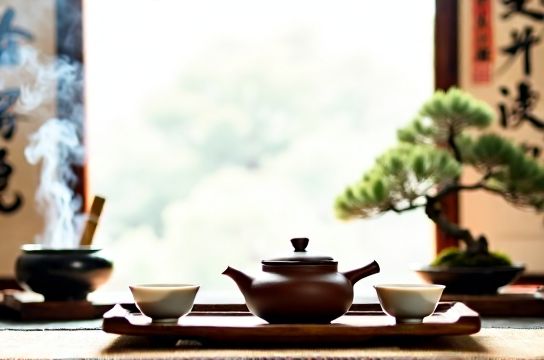
The Art of Gongfu Cha: Sip Like a Master
Gongfu Cha, literally meaning “making tea with skill,” is the heart of Chinese tea ceremony. Unlike Western steeping, this method uses small teapots (often Yixing clay) and multiple short infusions—each revealing new layers of flavor.
Why does it matter? Because temperature, timing, and teaware all impact taste. For example, oolong tea at 195°F for 30 seconds gives floral notes, while a second brew at 45 seconds brings out honeyed depth.
| Tea Type | Water Temp (°F) | Steep Time | Infusions |
|---|---|---|---|
| Green Tea | 160–185 | 1–2 min | 2–3 |
| Oolong Tea | 185–205 | 30 sec–1 min | 6–8 |
| Pu-erh Tea | Boiling (212) | 15–30 sec | 8+ |
| White Tea | 170–185 | 2–3 min | 3–4 |
Yixing Teapots: The Soul of the Brew
No Gongfu Cha is complete without a Yixing clay pot. Handcrafted in Jiangsu province, these unglazed pots absorb tea essence over time, enhancing flavor with every use. Serious tea drinkers often dedicate one pot per tea type—no mixing!
Fun fact: A well-seasoned Yixing pot can fetch over $10,000 at auction. Talk about steep value!
Cha Dao: The Way of Tea
More than just brewing, Cha Dao (Tea Way) blends philosophy, mindfulness, and aesthetics. Rooted in Taoism, Buddhism, and Confucianism, it teaches harmony, respect, purity, and tranquility.
In Hangzhou’s Lingyin Temple, monks serve tea in silent meditation—a practice that calms the mind faster than any app.
Try These Must-Visit Tea Experiences
- West Lake Dragon Well (Longjing): Grown near Hangzhou, this pan-fired green tea has a chestnut-like sweetness. Visit during spring harvest (March–April) for the freshest leaves.
- Anxi Tieguanyin: A fragrant oolong from Fujian. Participate in a tea-picking tour and learn roasting techniques from local masters.
- Yunnan Pu-erh Villages: Trek to ancient tea forests where 1,000-year-old trees still produce rich, fermented leaves. Buy aged bricks that increase in value over time!
Did you know? China produces over 3 million tons of tea annually—nearly 40% of the world’s supply. But only a fraction reaches global markets in traditional form.
Final Steep: Make It Personal
You don’t need a full setup to start. Begin with loose-leaf tea, a gaiwan (lidded bowl), and patience. Let each cup be a moment of pause in a chaotic world.
As the Chinese say: “一日三杯茶,不用找医生。” (Three cups a day, and you won’t need a doctor.) So go ahead—steep it slow, sip it deep, and taste the tradition.