
Morning Rituals in China and the Art of Tea Drinking
- Date:
- Views:198
- Source:The Silk Road Echo
There’s something almost magical about a Chinese morning — soft light creeping over rooftops, the gentle clink of porcelain, and the rich aroma of freshly brewed tea rising through alleyways. In China, mornings aren’t rushed with coffee to-go; they’re savored, steeped in tradition, and deeply intertwined with the art of tea drinking.
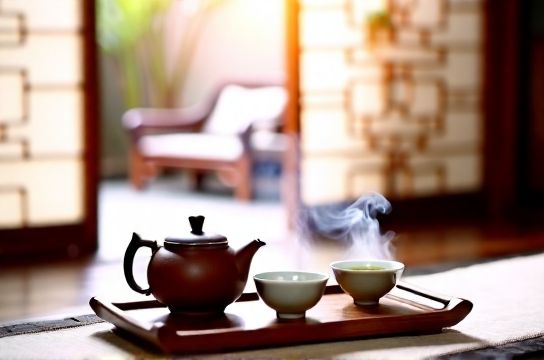
Tea isn’t just a beverage here — it’s a ritual, a symbol of hospitality, and a daily meditation. Over 80% of Chinese households drink tea regularly, and for many, the first cup arrives not at a café, but at home, served with intention.
The Slow Start: How Morning Tea Differs from Western Coffee Culture
While much of the West kicks off the day with a quick espresso shot, Chinese morning tea is about slowing down. It's less about caffeine jolt and more about mindfulness. Families often begin their day with a shared pot of tea, sometimes paired with steamed buns or congee. The act of warming the cups, rinsing the leaves, and pouring with care sets a calm tone for the hours ahead.
Popular Morning Teas in China
Not all teas are created equal — especially in the morning. Here are the top choices:
| Tea Type | Caffeine Level | Flavor Profile | Best Brew Time |
|---|---|---|---|
| Longjing (Dragon Well) | Medium | Grassy, nutty, smooth | 7–8 AM |
| Jasmine Green Tea | Low-Medium | Floral, sweet, refreshing | 6:30–7:30 AM |
| Pu’er (Aged) | Medium-High | Earthy, mellow, full-bodied | 8–9 AM |
| Tieguanyin (Iron Goddess) | Medium | Floral, creamy, aromatic | 7–8:30 AM |
Green and oolong teas dominate morning routines due to their gentle energy lift without jitteriness. Pu’er, known for aiding digestion, is especially popular after a light breakfast.
The Gongfu Cha Experience at Dawn
In southern China, particularly Fujian and Guangdong, the gongfu cha (功夫茶) ceremony transforms morning tea into an art form. Using small Yixing clay pots or gaiwans, drinkers perform precise steps: warming utensils, rinsing leaves, multiple short steeps — each pour revealing new layers of flavor.
This isn’t reserved for special occasions. For many, this intricate process is part of the daily rhythm — a way to center oneself before the world wakes up.
Tea & Tradition: More Than Just a Drink
Morning tea also carries cultural weight. In families, serving tea to elders is a sign of respect. In cities like Guangzhou, ‘morning tea’ (zao cha) often refers to dim sum brunches that start as early as 5:30 AM — where bamboo steamers rise alongside endless pots of tea.
A 2023 survey found that 62% of urban Chinese associate tea with mental clarity and emotional balance — making it the perfect companion for mindful mornings.
Bringing the Ritual Home (Even Outside China)
You don’t need a jade tray or a centuries-old teapot to adopt this ritual. Start simple: heat water to just below boiling, use loose-leaf green or oolong tea, and take three quiet minutes to brew and breathe. Let the steam clear your mind as much as your sinuses.
As one Beijing elder told me: “Tea doesn’t rush. If you do, you miss everything.”
So tomorrow morning — skip the to-go cup. Sit down. Pour slow. Taste the stillness.