
Immerse Yourself in Tea Culture China Traditions Today
- Date:
- Views:186
- Source:The Silk Road Echo
Hey tea lover! Ever wondered why a simple cup of tea in China feels like a spiritual experience? It’s not just about the brew—it’s about thousands of years of tradition, philosophy, and art. From misty mountain plantations to bustling teahouses in Beijing, Chinese tea culture is alive, deep, and absolutely worth diving into.
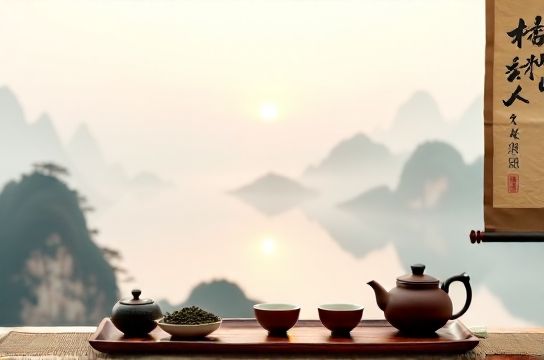
China is the birthplace of tea—yes, really. Over 20% of the world’s tea comes from here, and they’ve been perfecting the craft since the Shang Dynasty (around 1500 BCE). Whether you’re sipping delicate Longjing (Dragon Well) green tea or bold Pu-erh aged for decades, every cup tells a story.
Why Chinese Tea Is More Than Just a Drink
In China, tea isn’t just caffeine—it’s hospitality, mindfulness, and heritage. The traditional Gongfu Cha ceremony isn’t about speed; it’s about precision, respect, and savoring each steep. One session can involve up to 7 infusions, each revealing new layers of aroma and flavor.
Tea is also deeply tied to health. According to a 2022 study by the Chinese Academy of Sciences, regular tea drinkers have a 15–20% lower risk of cardiovascular disease. That’s not magic—that’s Mother Nature and ancient wisdom working together.
The Big Five: Must-Try Chinese Teas
Not all teas are created equal. Here’s your cheat sheet to the top five types you need to try:
| Tea Type | Region | Caffeine Level | Flavor Profile | Average Price (USD/100g) |
|---|---|---|---|---|
| Longjing (Green) | Hangzhou, Zhejiang | Medium | Grassy, nutty, fresh | $25–$60 |
| Darjeeling-style Oolong | Anxi, Fujian | Medium-High | Floral, creamy, complex | $20–$50 |
| Pu-erh (Fermented) | Xishuangbanna, Yunnan | High | Earthy, woody, smooth | $15–$200+ |
| Baihao Yinzhen (White) | Fuding, Fujian | Low | Delicate, sweet, floral | $30–$80 |
| Keemun (Black) | Qimen, Anhui | Medium | Smoky, wine-like, rich | $18–$40 |
Pro tip: Want the real deal? Skip the tourist traps. Head to local markets like Mawan Tea Market in Guangzhou or join a tea tour in Yunnan. Authenticity tastes better.
How to Experience Tea Culture Like a Local
- Visit a Traditional Teahouse: In Chengdu, sip tea while watching Sichuan opera face-changing acts. In Suzhou, enjoy jasmine tea in a classical garden pavilion.
- Try Gongfu Cha at Home: All you need is a gaiwan, quality leaves, and patience. Start with oolong—it’s forgiving and fragrant.
- Attend a Tea Festival: The Hangzhou Longjing Tea Festival in March-April is pure magic—fresh picks, cultural performances, and endless tastings.
And don’t forget etiquette: never fill a cup to the brim (80% is polite), and tapping two fingers on the table means “thanks” when someone pours for you—a subtle but meaningful gesture.
Final Steep: Why This Tradition Still Matters
In our fast-paced world, Chinese tea culture offers a moment of calm. It’s slow living, long before that was a trend. Every leaf, every pour, every shared cup connects you to history, nature, and people.
So next time you brew a cup, don’t just drink it—sense it. Breathe in the aroma, feel the warmth, and remember: you’re not just having tea. You’re taking part in one of humanity’s oldest rituals.