
Immerse in Tea Culture China A Journey Through Tradition
- Date:
- Views:186
- Source:The Silk Road Echo
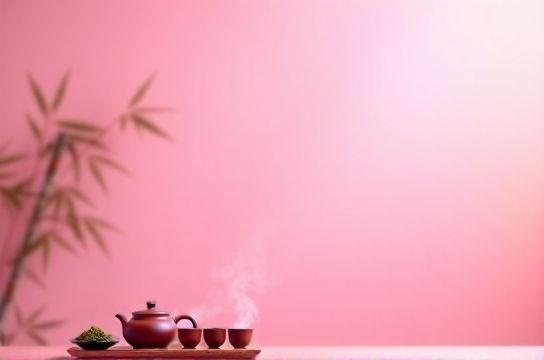
Ever sipped a cup of tea and felt like you’ve traveled back in time? In China, that’s not just poetic—it’s daily life. With over 5,000 years of tea history, China isn’t just the birthplace of tea; it’s the soul of it. From misty mountain plantations to bustling city teahouses, tea is more than a drink—it’s a ritual, an art, and a way of life.
Why China’s Tea Culture Stands Out
China produces over 3 million tons of tea annually—nearly 40% of the world’s supply. But it’s not about quantity. It’s about quality, tradition, and diversity. Did you know there are six main types of Chinese tea? Each with its own processing method, flavor profile, and cultural significance.
The Six Classic Types of Chinese Tea
| Type | Oxidation Level | Flavor Profile | Famous Example |
|---|---|---|---|
| Green Tea | Unoxidized | Grassy, fresh, vegetal | Longjing (Dragon Well) |
| Black Tea (Red Tea in China) | Fully oxidized | Malty, bold, sweet | Keemun |
| Oolong Tea | Semi-oxidized (15%-70%) | Floral, creamy, complex | Tieguanyin |
| White Tea | Minimally processed | Delicate, sweet, light | Bai Hao Yinzhen |
| Pu-erh Tea | Fermented & aged | Earthy, rich, woody | Shou Pu-erh |
| Yellow Tea | Lightly oxidized | Smooth, mellow, slightly sweet | Huangshan Mao Feng |
If green tea is the morning whisper, pu-erh is the midnight story—deep, layered, and full of wisdom.
Tea Regions You Can’t Miss
Just like wine has terroir, Chinese tea is shaped by geography. Here are the top regions worth exploring:
- Hangzhou, Zhejiang – Home of Longjing, grown on terraced hills kissed by spring fog.
- Anxi, Fujian – The holy land of Tieguanyin oolong, where every leaf is hand-rolled with devotion.
- Xishuangbanna, Yunnan – Birthplace of pu-erh, where ancient tea trees tower over jungle trails.
- Huangshan, Anhui – Where yellow and green teas bloom under misty peaks.
The Art of Gongfu Cha: More Than Just Brewing
Want the real deal? Try Gongfu Cha, the traditional Chinese tea ceremony. It’s not fancy—it’s focused. Using small clay pots (Yixing), tiny cups, and multiple short steeps, this method reveals how a single tea can evolve across 8–10 infusions.
Pro tip: Water temperature matters! Here’s your cheat sheet:
- Green/White: 70–80°C (158–176°F)
- Oolong: 85–95°C (185–203°F)
- Black/Pu-erh: Boiling (100°C)
And always warm your teaware first—respect the vessel, respect the tea.
Tea Today: Tradition Meets Trend
Yes, bubble tea took the world by storm, but in cities like Chengdu and Beijing, traditional teahouses are having a renaissance. Young locals are rediscovering heritage brews, blending mindfulness with millennial vibes. Whether it’s a quiet courtyard session or a modern tea bar serving matcha lattes with a twist, tea culture is evolving—without losing its roots.
In fact, the global tea market is projected to hit $33 billion by 2027, with premium and artisanal teas leading the charge. And China? Still at the heart of it all.
Final Sip: How to Experience It Yourself
Ready to dive in?
- Visit a local teahouse—bonus points if it’s tucked in an old alley.
- Ask to try a gongfu session. Most places welcome curious newcomers.
- Buy tea from reputable sources—look for origin labels and harvest dates.
- Slow down. Smell the steam. Taste the layers. That’s the spirit of Chinese tea.
Tea in China isn’t just drunk—it’s experienced. So next time you pour a cup, remember: you’re not just sipping leaves. You’re tasting history.