
Understanding Tea Culture China in Everyday Urban Neighborhoods
- Date:
- Views:194
- Source:The Silk Road Echo
If you've walked through a morning market in Beijing, sat on a bamboo stool in a Guangzhou alleyway, or caught an elderly couple playing chess in a Shanghai park, you've probably seen it — the quiet ritual of tea. Steam rising from a glass jar, leaves swirling in a gaiwan, laughter between sips. This isn't just drinking; it's Tea Culture China in its most authentic, urban form.
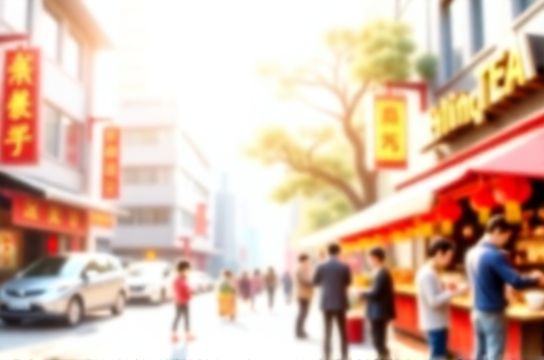
Forget the fancy ceremonies and $200 pu-erh cakes. In everyday Chinese neighborhoods, tea is life. It’s hospitality, health, and community rolled into one humble brew. From street vendors to apartment balconies, tea bridges generations and stitches city life together.
The Daily Dose: How Urban Chinese Drink Tea
In cities like Chengdu or Hangzhou, tea isn’t reserved for special occasions. It’s as routine as coffee in New York. A 2023 survey by the China Tea Marketing Association found that over 68% of urban residents drink tea daily, with green tea leading at 45%, followed by oolong (22%) and black tea (15%).
But here’s the twist: most aren’t brewing loose leaves in porcelain pots. They’re using thermoses. Yes — the old-school stainless steel kind. Fill it with green tea in the morning, and you’re set for eight hours of sipping. Workers, taxi drivers, teachers — they all do it.
Teahouses vs. Street Stalls: Where Culture Lives
You might think teahouses are where the magic happens. And sure, places like Lao She Teahouse in Beijing offer dazzling performances. But real culture? It bubbles up in unmarked shops where uncles argue over mahjong and grandmas bring their own chipped cups.
Take Chengdu’s paotang culture — literally “soak halls.” For under ¥10 ($1.40), you get tea, a recliner, and all-day access. Locals come to chat, nap, or just be. It’s slow living in a fast city.
| City | Popular Tea | Avg. Cost per Serving | Tea-Drinking Habit |
|---|---|---|---|
| Beijing | Jasmine Tea | ¥8–12 | Morning & afternoon breaks |
| Shanghai | Green Tea (Longjing) | ¥10–15 | Post-meal ritual |
| Chengdu | Pu-erh / Brick Tea | ¥5–10 | All-day soaking |
| Guangzhou | Oolong (Tieguanyin) | ¥6–9 | With dim sum, 3x/day |
Why It Matters: More Than Just Caffeine
Tea in urban China is social glue. Refusing a cup can be seen as cold. Offering one? That’s how deals are made, apologies accepted, friendships formed. It’s also tied to yangsheng — traditional wellness. Many believe green tea clears heat, oolong aids digestion, and pu-erh helps with weight.
And while younger generations lean toward bubble tea (sorry, not the same), many still grow up watching parents brew tea every day. A 2022 study in Urban Anthropology Today noted that 74% of millennials in tier-1 cities maintain a home tea set, even if used only on weekends.
How to Experience It Like a Local
- Bring your own cup — In many small shops, showing up with a thermos earns respect.
- Try the house blend — Ask for “laobaicha” (old customer tea) — it’s what locals drink.
- Sit longer — Don’t rush. Lingering = appreciation.
So next time you're in an urban neighborhood in China, skip the tourist spots. Find the corner stall with plastic stools and steam in the air. Order a cup. Smile. Sip. That’s where tea culture China truly lives — not in museums, but in the rhythm of daily life.