
Immerse in Tea Culture China and Authentic Urban Living
- Date:
- Views:209
- Source:The Silk Road Echo
Want to truly feel China? Skip the bullet trains and shopping malls for a sec. Let’s dive into something deeper — where steam rises from clay teapots, elders play mahjong under banyan trees, and every alleyway whispers centuries of stories. Welcome to the heart of Tea Culture China and authentic urban living.
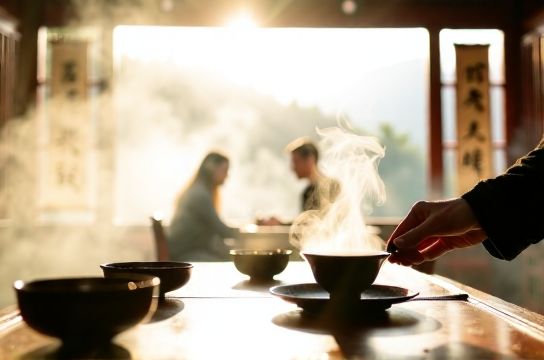
Forget sterile tea bags. In cities like Chengdu, Hangzhou, and Fuzhou, tea isn’t just a drink — it’s a rhythm of life. Over 1.3 million tons of tea are produced in China annually (FAO, 2023), making it the world’s top producer. But here, quality beats quantity. Locals don’t sip tea; they savor it — gongfu-style, with tiny cups, multiple infusions, and serious respect.
The Daily Ritual: Tea in Urban China
In Chengdu’s Daci Temple Teahouse, you’ll find grandpas reading newspapers, friends laughing over steaming pots, and someone inevitably snoring in the corner. It’s not lazy — it’s living. The average urban Chinese tea drinker consumes about 0.8 kg per year, but in southern cities, that jumps to over 1.5 kg.
Here’s a snapshot of tea culture hotspots:
| City | Signature Tea | Local Price (CNY) | Cultural Highlight |
|---|---|---|---|
| Hangzhou | Longjing (Dragon Well) | 80–300 / 50g | West Lake picking tours |
| Chengdu | Jasmine Tea | 40–120 / 50g | Pandas & teahouses combo |
| Fuzhou | Fu Brick Oolong | 60–200 / 50g | Traditional gongfu ceremonies |
| Guangzhou | Pu’er (aged) | 100–500+ / 50g | Dim sum + tea brunches |
Why Gongfu Cha Matters
Gongfu cha — literally “making tea with skill” — is the soul of Chinese tea culture. It uses small Yixing clay pots, precise water temps, and quick steeps. A single session can include 7–9 infusions, each revealing new layers of flavor. It’s meditative, social, and kinda addictive.
Pro tip: Visit a local tea market. In Guangzhou’s Manlongguiyu Tea Street, vendors won’t just sell — they’ll brew for you. Smell the roasted oolongs, taste aged pu’er that tastes like earth and time. Bargain gently. And never rush.
Living Like a Local: Beyond the Teapot
Authentic urban living in China means embracing slowness in a fast world. Join a morning tai chi circle in Hangzhou’s parks. Ride a shared bike through Beijing’s hutongs. Eat street dumplings at 10 p.m. because, well, everyone else is.
Stay in boutique guesthouses run by families, not chains. In Suzhou, some homestays offer free evening tea classes — think calligraphy, incense, and quiet chats with hosts who’ve lived there for decades.
Final Sip
China’s cities aren’t just skyscrapers and subways. They’re layered, breathing cultures where tea is the thread connecting past and present. So slow down. Sit. Pour another cup. That’s how you really travel.