
Wuhan’s Early Bird Traders: Steamed Buns and River Views
- Date:
- Views:230
- Source:The Silk Road Echo
If you’ve ever wondered what gets a city of over 11 million people up and running before the sun clears the skyline, head to Wuhan at 5:30 a.m. No, it’s not coffee — it’s steamed buns, street banter, and the Huangpu River whispering through the morning fog.
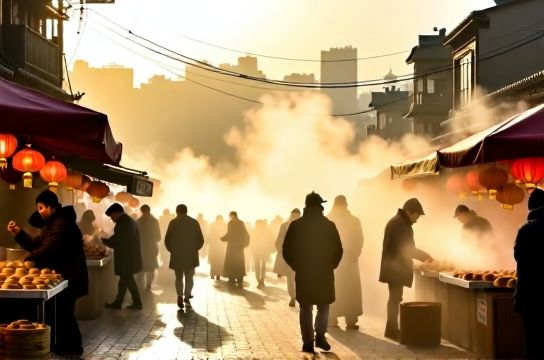
Forget sleepy-eyed commuters and silent subways. In Wuhan, the day kicks off with a sizzle. Literally. Along the riverbanks and tucked into alleyways just blocks from bustling markets, early bird traders are already deep in their rhythm. These aren’t your average vendors — they’re the heartbeat of the city’s daily grind, serving up warmth in every bite and deal.
Take Auntie Mei, who’s been rolling dough for her famous *baozi* since before most folks hit snooze for the third time. Her cart, painted faded red with chipped edges, sits near the old ferry dock. By 6 a.m., the line is already forming. Pork and chive, spicy tofu, even sweet red bean — each bun is handmade, steamed fresh, and sold for less than $1. But it’s not just about food. It’s about connection. Regulars don’t just grab and go — they chat, joke, and sometimes even help fold dumplings while they wait.
"The river wakes me up," Auntie Mei says, wiping steam from her glasses. "And the people keep me going."
That’s the thing about Wuhan’s early trade scene — it’s equal parts commerce and community. While some cities sleep, Wuhan’s riverside transforms into an open-air economy. Fishermen unload the night’s catch. Tea sellers brew strong *longjing* on portable stoves. And somewhere between the clink of bowls and the hum of electric scooters, deals get made.
You’ll see brokers flipping smartphones, comparing prices on everything from wholesale garlic to secondhand e-bikes. This isn’t formal — no suits, no offices. Just guys in hoodies huddled under awnings, negotiating like pros. One guy, Li Wei, told us he closes $2,000 in trades before most CEOs finish their first meeting.
"This is real business," he says, grinning. "No algorithms, no bots. Just trust, timing, and a good view of the water."
And that view? Don’t sleep on it. As the sky shifts from indigo to gold, the Yangtze reflects the city’s awakening. Bridges light up, cargo ships glide by, and for a brief moment, the chaos feels poetic.
What makes this scene special isn’t just its energy — it’s its resilience. After everything Wuhan has been through, these morning rituals feel like quiet acts of defiance. Life isn’t just returning — it’s thriving, one steamed bun at a time.
So if you’re visiting Wuhan, skip the hotel breakfast. Ditch the tour bus. Wake up early, follow the smell of sesame oil and fresh dough, and join the real locals. You’ll get more than a meal — you’ll get a front-row seat to the city’s soul.
In a world obsessed with hustle culture, Wuhan’s early traders remind us: real hustle doesn’t need hashtags. It just needs a warm bun, a clear view, and people who show up — every single morning.