
Savor the Tradition of Tea Culture China Every Morning
- Date:
- Views:201
- Source:The Silk Road Echo
There’s something almost magical about starting your day with a warm cup of tea in China. It’s not just a drink—it’s a ritual, a moment of calm, and a deep connection to thousands of years of history. Tea culture in China isn’t just about flavor; it’s about philosophy, harmony, and mindfulness.
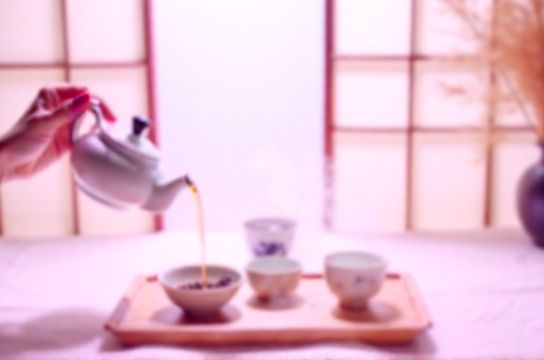
Did you know that over 50% of Chinese households enjoy tea daily? From bustling cities like Beijing to quiet mountain villages, tea is everywhere. Whether it’s delicate green tea, rich pu-erh, or floral oolong, each sip tells a story.
The Heart of Chinese Tea Culture
Tea isn’t rushed here. In fact, the traditional Gongfu Cha (功夫茶) ceremony turns brewing into an art form. Using small clay teapots, precise water temperatures, and multiple short steeps, this method unlocks layers of aroma and taste you’d miss with a quick brew.
But you don’t need to be a master to enjoy it. Even street vendors serve tea with pride, and families gather around low tables sharing laughter and leaves.
Top 5 Teas You Must Try in China
Here’s a quick guide to the most iconic Chinese teas—each with its own personality and place in the culture.
| Tea Type | Region | Caffeine Level | Flavor Profile | Brew Temp |
|---|---|---|---|---|
| Longjing (Dragon Well) | Hangzhou, Zhejiang | Medium | Grassy, nutty, smooth | 75–80°C |
| Dahongpao (Big Red Robe) | Wuyi Mountains, Fujian | High | Toasty, mineral, bold | 95–100°C |
| Baihao Yinzhen (Silver Needle) | Fujian | Low | Sweet, floral, delicate | 80–85°C |
| Pu-erh (Aged) | Yunnan | Medium-High | Earthy, woody, complex | 95–100°C |
| Tieguanyin (Iron Goddess) | Anxi, Fujian | Medium | Floral, creamy, aromatic | 90–95°C |
Why Morning Tea Matters
In China, morning tea isn’t just about waking up—it’s about setting the tone. Unlike coffee’s jolt, tea offers a gentle lift, sharpening focus without the crash. Many locals believe tea cleanses the body and clears the mind, making it the perfect companion for sunrise meditation or a slow breakfast.
Studies show that regular tea drinkers in China have lower stress levels and improved digestion. The secret? Antioxidants like catechins and theanine, which promote relaxation and mental clarity.
How to Brew Like a Local
You don’t need fancy tools to get started. Here’s a simple way to bring Chinese tea culture into your home:
- Use fresh, filtered water (never reboiled).
- Warm your teacup and pot first.
- Use the right temperature—green teas burn easily!
- Steep short and often: 30 seconds for the first round, increasing slightly each time.
- Sip slowly. Taste the change with every infusion.
Pro tip: Invest in a gaiwan—a lidded porcelain cup. It’s the ultimate tool for exploring tea’s evolving flavors.
Final Sip
Every morning with tea in China is a chance to slow down and savor life. Whether you’re in a hutong courtyard or your kitchen in New York, that first cup can be a bridge to tradition, balance, and beauty.
So go ahead—boil the kettle, choose your leaf, and let tea culture China start your day the mindful way.