
Experience the Rich Tea Culture China in Everyday Life
- Date:
- Views:250
- Source:The Silk Road Echo
When you think of China, what comes to mind? Panda bears? The Great Wall? How about a steaming cup of fragrant tea? 🍵 In China, tea isn’t just a drink — it’s a way of life. From bustling city streets to quiet mountain villages, tea flows through daily routines like a gentle river of tradition and taste.
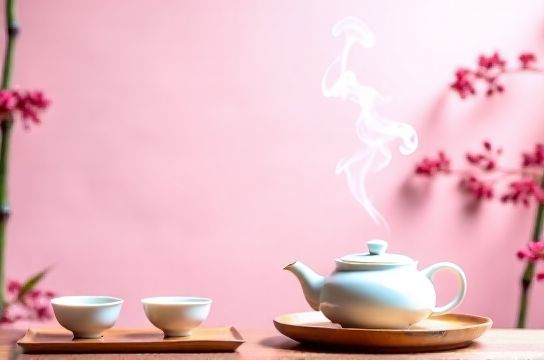
Why Tea is More Than Just a Drink in China
In China, tea culture dates back over 5,000 years. Legend has it that Emperor Shen Nong discovered tea when leaves from a wild tree blew into his boiling water. Since then, tea has evolved into an art form, a social ritual, and even a spiritual practice.
Today, more than 2.5 million tons of tea are consumed annually in China — that’s nearly 40% of the world’s total! Whether it’s morning gongfu cha ceremonies or afternoon chats over oolong, tea connects people, moments, and memories.
The Top 5 Teas You Must Try in China
China produces over 1,000 varieties of tea, but these five stand out for flavor, history, and cultural significance:
| Tea Type | Origin | Caffeine Level | Flavor Profile | Average Price (per 50g) |
|---|---|---|---|---|
| Longjing (Dragon Well) | Hangzhou, Zhejiang | Medium | Grassy, nutty, fresh | $12–$30 |
| Dahongpao (Big Red Robe) | Wuyi Mountains, Fujian | High | Toasty, mineral, floral | $50–$200 |
| Baihao Yinzhen (Silver Needle) | Fujian | Low | Sweet, delicate, floral | $25–$60 |
| Pu'er (Aged & Raw) | Yunnan | Medium-High | Earthy, woody, complex | $10–$150 |
| Tieguanyin (Iron Goddess) | Anxi, Fujian | Medium | Creamy, orchid-scented | $15–$40 |
Pro tip: If you’re visiting China, skip the tourist traps and head to local tea houses where elders sip slowly and share stories. That’s where the real magic happens.
How to Drink Tea Like a Local
- Gongfu Cha: This traditional brewing method uses small clay pots and multiple short steeps to unlock layers of flavor. It’s not just about taste — it’s mindfulness in a cup.
- Tap the Table: When someone pours your tea, lightly tap two fingers on the table. It’s a silent “thank you” rooted in legend — said to honor an emperor who once poured tea for his servant incognito!
- Refill Respectfully: Never let someone’s cup run dry. Keeping the pot warm and refilling often shows hospitality.
Tea Tourism: Sip Your Way Across China
Want to go beyond the cup? Try a tea plantation tour! Places like Hangzhou’s Longjing Village or Yunnan’s Pu’er tea fields offer hands-on experiences — picking leaves, roasting, and tasting straight from the source.
And yes — you can even stay overnight in a tea farm guesthouse. Imagine waking up to misty hills and the scent of fresh green tea in the air. Pure bliss.
Final Steep: Why Tea Still Matters
In our fast-paced world, Chinese tea culture reminds us to slow down, savor the moment, and connect with others. It’s not about perfection — it’s about presence.
So next time you pour a cup, take a breath. You’re not just drinking tea. You’re sharing in 5,000 years of wisdom, one sip at a time.