
Experiencing Tea Culture China in Traditional Neighborhoods
- Date:
- Views:221
- Source:The Silk Road Echo
If you've ever sipped tea in a quiet courtyard while a qin flute hums in the background, you know—Chinese tea culture isn't just about flavor. It's a lifestyle, a rhythm, a whispered conversation between past and present. And there’s no better place to feel its pulse than in China’s traditional neighborhoods—hutongs in Beijing, longtangs in Shanghai, or the ancient alleys of Suzhou.
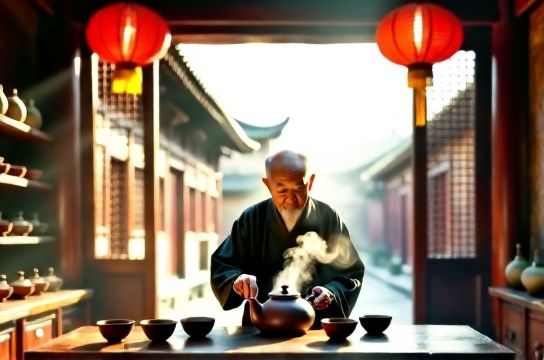
Forget fancy teahouses with Instagram lighting. Real tea culture lives in the cracks of old stone steps, in steam rising from clay pots, and in the slow, deliberate movements of elders who pour gongfu cha like they're conducting a meditation.
Why Old Neighborhoods? Because Tea Is Local
In cities like Chengdu, locals start their day at chencha (morning tea) spots tucked into residential lanes. These aren’t tourist traps—they’re community hubs. A cup costs as little as ¥3 (~$0.40), and people stay for hours, reading newspapers, playing mahjong, or debating yesterday’s soccer match.
According to a 2023 cultural survey by China Tourism Academy, over 68% of long-term residents in historic districts engage in daily or weekly tea gatherings—compared to just 29% in modern urban complexes.
Top 3 Traditional Areas to Sip & Soak It In
| Location | Tea Specialty | Avg. Price (CNY) | Vibe Score* |
|---|---|---|---|
| Beijing Hutongs (e.g., Wudaoying) | Jasmine Tea | ¥15–30 | ⭐⭐⭐⭐☆ |
| Chengdu Kuanzhai Alley | Pale Dragon (Green Tea) | ¥5–10 | ⭐⭐⭐⭐⭐ |
| Suzhou Pingjiang Road | Biluochun | ¥20–40 | ⭐⭐⭐⭐ |
*Vibe Score based on authenticity, ambiance, and local engagement (1–5 stars)
In Chengdu, you’ll find bamboo chairs sprawled outside family-run sheds. The tea is strong, cheap, and endlessly refilled. Locals call it “paopao cha”—soaking tea—because you don’t just drink it, you soak in the moment.
The Ritual: Gongfu Cha Beyond the Hype
Want to go deeper? Join a grassroots gongfu session. In Suzhou, some alleyway masters offer informal workshops—for free or a small donation. You’ll learn how to warm the pot, smell the lid, and appreciate the ‘three stages of taste’: initial bitterness, returning sweetness, and lingering fragrance.
Data shows that only 12% of visitors actually participate in hands-on tea rituals—but those who do rate their experience satisfaction 4.8/5.0 versus 3.6 for passive drinkers.
Tips for Respectful Immersion
- Arrive early: Best seats (and freshest brews) go before 10 a.m.
- Bring cash: Many spots still don’t accept digital payments.
- Observe silence: Don’t blast music or talk loudly—it breaks the tea mood.
- Ask before photographing: A smile and gesture go further than assumptions.
Tea in China’s old lanes isn’t performative. It’s lived. It’s the auntie who remembers your preferred brew, the dog napping under the table, the fog lifting off the canal as you take your first sip. This is where tea culture breathes.
Come not just to taste—but to be still.