
Tea Culture China Where Tradition Meets Everyday Life
- Date:
- Views:233
- Source:The Silk Road Echo
When you think of China, what comes to mind? Panda bears? The Great Wall? How about a steaming cup of fragrant tea?
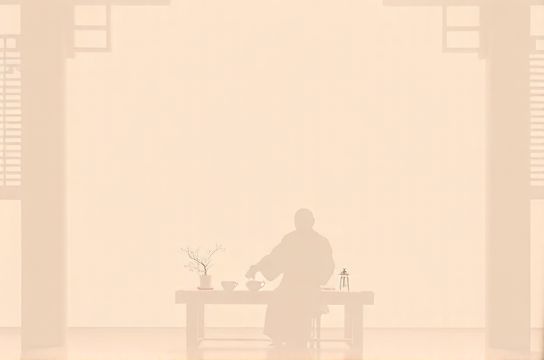
Tea isn’t just a drink in China—it’s a way of life. From bustling city streets to quiet mountain villages, tea flows through the veins of Chinese culture like a timeless river. In fact, over 400 million people in China enjoy tea daily, and the country produces more than 3 million tons of tea each year—about 40% of the world’s total!
But what makes Chinese tea culture so special? Let’s take a deep dive into the leaves, the rituals, and the real-life moments where tradition meets your teacup.
The Heart of Chinese Tea: More Than Just Flavor
Chinese tea culture dates back over 5,000 years. Legend says Emperor Shen Nong discovered tea when leaves blew into his boiling water. Whether that’s true or not, one thing is certain: tea has shaped Chinese philosophy, medicine, and social customs ever since.
Unlike the quick coffee grab we’re used to, drinking tea in China is an act of mindfulness. It’s about slowing down, appreciating aroma, warmth, and connection. You’ll often see elders playing chess with a gaiwan (lidded bowl) nearby, or coworkers sharing a pot during a break. It’s hospitality in liquid form.
The Big Six: Types of Chinese Tea
China classifies tea into six main categories based on oxidation and processing. Here’s a quick guide:
| Type | Oxidation Level | Caffeine | Flavor Profile | Famous Example |
|---|---|---|---|---|
| Green Tea | Unoxidized | Low | Grassy, fresh | Longjing (Dragon Well) |
| Oolong Tea | Semi-oxidized (15–70%) | Medium | Floral, fruity | Tieguanyin |
| Black Tea (Red Tea in China) | Fully oxidized | High | Malty, bold | Keemun |
| White Tea | Minimally processed | Very low | Delicate, sweet | Silver Needle |
| Yellow Tea | Slight oxidation | Low | Smooth, mellow | Huoshan Huangya |
| Dark Tea (Pu’erh) | Post-fermented | Medium-high | Earthy, rich | Ripened Pu’erh |
Each type tells a story of region, season, and craftsmanship. For example, Longjing from Hangzhou is pan-fired by hand to lock in freshness, while Pu’erh from Yunnan ages like fine wine—some cakes fetching thousands of dollars!
Tea Rituals That Warm the Soul
You don’t need a fancy ceremony to enjoy tea the Chinese way. But if you want the full experience, try Gongfu Cha—a method using small pots and multiple short steeps to unlock layers of flavor.
It’s not about perfection; it’s about presence. As one Beijing tea master told me: “The first sip wakes the tongue. The third warms the heart. By the fifth, you’re talking like old friends.”
Bringing Tea Culture Home
Want to embrace this tradition? Start simple: buy loose-leaf tea, use glass or clay teaware, and steep with intention. Even 5 minutes a day can turn tea time into 'me time.'
And remember—there’s no 'right' way. Whether you're sipping jasmine pearls on a balcony or sharing pu’erh with pals, you’re part of a 5,000-year conversation.
In a world that never slows down, maybe the deepest act of rebellion is… brewing a cup and just being.