
Savor Authentic Tea Culture China in Everyday Settings
- Date:
- Views:230
- Source:The Silk Road Echo
Think tea in China is just about sipping jasmine in a fancy teahouse? Think again. From bustling morning markets to quiet office corners, authentic tea culture China isn’t locked behind tradition—it’s alive, kicking, and steeping in everyday life.
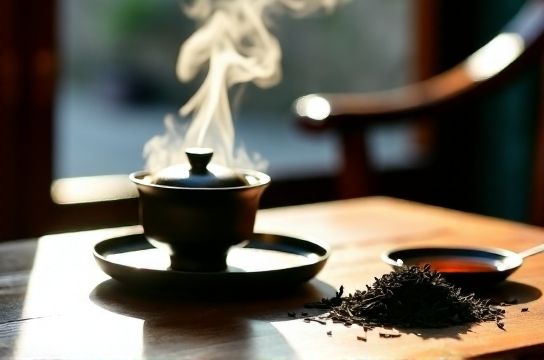
Over 87% of Chinese households drink tea daily (China National Tea Association, 2023). But it’s not just about hydration—it’s ritual, identity, and connection. Whether it’s grandpa brewing pu’erh in a thermos or a Gen Z barista crafting milk oolong lattes, tea bridges generations.
The Daily Grind: How Real People Drink Tea
Forget porcelain sets and silent ceremonies. In cities like Chengdu and Hangzhou, tea is functional, flavorful, and fiercely personal. Office workers rely on gaiwan cups for focus; street vendors serve sweet lei cha (thunder tea) to beat the heat; even fitness buffs swear by green tea for metabolism.
| Tea Type | Region | Daily Consumption (per capita) | Popular Vessel |
|---|---|---|---|
| Green Tea | Zhejiang (e.g., Longjing) | 1.2 cups | Gaiwan |
| Pu’erh | Yunnan | 1.8 cups | Yixing Pot |
| Oolong | Fujian (e.g., Tieguanyin) | 1.5 cups | Tea Pet Set |
| Jasmine Tea | Fujian/Guangxi | 1.0 cup | Thermos |
This isn’t performative culture—it’s practical wisdom passed down through steam and sip.
Brew Like a Local: No Ceremony Required
You don’t need a degree in teaology. Start with the cha qi—the ‘tea energy’ locals talk about. It’s that moment when the aroma hits, your shoulders drop, and time slows. Here’s how to tap in:
- Embrace the gaiwan: This lidded bowl isn’t just pretty—it gives control over steep time and temperature. Perfect for delicate greens.
- Reuse leaves, don’t waste: High-quality oolongs can brew 5–7 times. Each infusion reveals new flavors—from floral to nutty.
- Pair with local snacks: Try shengjian bao (pan-fried buns) with light oolong, or mooncakes with aged pu’erh.
Tea on the Go? Absolutely.
In Shanghai, you’ll see commuters with glass tumblers filled with chrysanthemum and goji berries. In Guangzhou, dai pai dong (open-air eateries) serve free pantyhose tea—so named for the cloth strainer. It’s strong, sweet, and meant to be gulped.
Even convenience stores stock ready-to-drink teas made from real leaves—not syrup. Brands like Chagee and Heytea are bringing craft blends to mass markets without losing authenticity.
Why This Matters Beyond the Cup
Drinking tea like a local isn’t cultural appropriation—it’s appreciation. When you choose loose-leaf over powder, reuse your leaves, or chat with a vendor about their harvest, you honor centuries of craftsmanship.
And let’s be real: in our hyper-connected world, taking three minutes to brew tea mindfully is a radical act of self-care.
So ditch the matcha latte fad. Seek out real Longjing, ask how the Dancong was roasted, and let the steam remind you: authentic tea culture China isn’t somewhere you visit. It’s something you live—one imperfect, beautiful steep at a time.