
Understanding Tea Culture China From Home to Teahouse
- Date:
- Views:267
- Source:The Silk Road Echo
Tea isn’t just a drink in China—it’s a way of life. From morning rituals in cozy homes to serene teahouses tucked into ancient alleyways, tea culture in China runs deep. Whether you’re sipping longjing in Hangzhou or sharing puerh with friends in Chengdu, every cup tells a story. Let’s dive into the heart of Chinese tea culture, from tradition to modern practice.
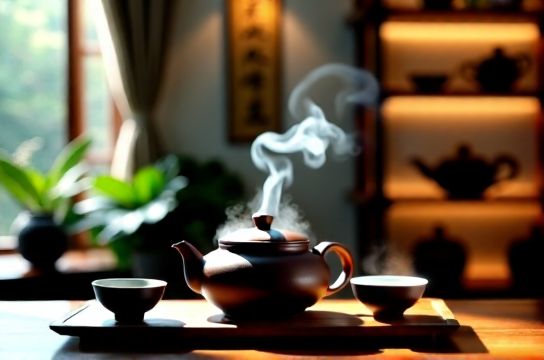
The Roots of Chinese Tea Culture
Did you know? China has been drinking tea for over 5,000 years. Legend says Emperor Shen Nong discovered it when tea leaves blew into his boiling water. Since then, tea evolved from medicine to daily staple to high art. By the Tang Dynasty (618–907 AD), Cha Jing—the first tea book—was written by Lu Yu, cementing tea’s cultural status.
Today, China produces over 3 million tons of tea annually, leading the world in both output and variety. The six main types? Green, black (called hongcha), oolong, white, yellow, and post-fermented (like puerh). Each reflects regional terroir and centuries-old techniques.
Home Brew: Tea in Daily Life
In most Chinese households, tea is as common as water. Grandparents start the day with a thermos of green tea; office workers keep gaiwans on their desks. It’s hospitality—offering tea to guests is basic etiquette. Forget coffee breaks; here, it’s all about the tea pause.
Many families still follow gongfu cha—a meticulous brewing method using small pots and multiple infusions. It’s not fussy; it’s respect. One study found that regular tea drinkers in China have up to 20% lower risk of cardiovascular disease—so health plays a role too.
Teahouses: Where Tradition Meets Community
Step into a traditional teahouse in Chengdu, and you’ll find more than tea. There’s laughter, mahjong, even opera singers belting out Sichuan tunes. These spaces are social hubs—places to slow down, connect, and savor.
Modern teahouses blend old and new. In cities like Shanghai and Beijing, minimalist spaces serve single-origin teas with latte art vibes—but the soul remains. Over 300,000 teahouses operate nationwide, with the industry valued at over $25 billion USD.
Tea Types & Regional Specialties
China’s vast geography means endless flavor profiles. Here’s a quick guide to some iconic teas:
| Tea Type | Region | Flavor Profile | Fun Fact |
|---|---|---|---|
| Longjing (Dragon Well) | Hangzhou, Zhejiang | Grassy, nutty, smooth | Paid tribute to emperors during Qing Dynasty |
| Dahongpao (Big Red Robe) | Wuyi Mountains, Fujian | Toasty, mineral-rich | Originally from only 6 mother bushes |
| Puerh | Yunnan | Earthy, complex, ages like wine | Can increase in value over decades |
| Baihao Yinzhen (Silver Needle) | Fujian | Delicate, sweet, floral | Made only from spring buds |
Final Steep: Why It Matters
Chinese tea culture isn’t stuck in the past—it’s evolving. Young people now mix matcha lattes with aged puerh tastings. But the core values remain: mindfulness, connection, balance. So next time you brew a cup, take a moment. Smell the steam, feel the warmth, and remember—you’re part of a 5,000-year conversation.