
Explore the Heart of China's Tea Culture and Daily Rhythm
- Date:
- Views:182
- Source:The Silk Road Echo
When it comes to slowing down and savoring life, few places do it better than China—especially when tea is involved. More than just a drink, tea in China is a rhythm, a ritual, and a way of life. From bustling morning markets to quiet twilight moments in ancient teahouses, let’s dive into the soul of Chinese tea culture and how it shapes everyday life.
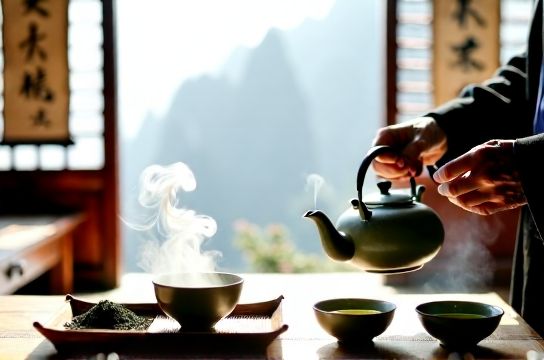
The Daily Brew: How Tea Sets the Pace
In cities like Chengdu and Hangzhou, tea isn’t reserved for special occasions—it kicks off the day. Locals start as early as 6 a.m., steaming cups of longjing (dragon well) or jasmine pearl in hand, chatting at neighborhood stalls or practicing tai chi in parks. It’s not about caffeine; it’s about connection.
Tea drinking follows the natural rhythm of the day:
- Morning: Light green teas to awaken the senses
- Afternoon: Oolong for mental clarity
- Evening: Aged pu-erh to aid digestion and calm the mind
Tea by the Numbers: A Cultural Snapshot
China produces over 3 million tons of tea annually—nearly 40% of the world’s total. But beyond volume, it’s the diversity and tradition that shine.
| Tea Type | Region | Annual Production (tons) | Cultural Significance |
|---|---|---|---|
| Green Tea | Zhejiang (Hangzhou) | 800,000 | Symbols freshness and renewal |
| Pu-erh | Yunnan | 120,000 | Aged for years, often gifted |
| Oolong | Fujian | 90,000 | Balances yin and yang |
| Jasmine Tea | Fujian/Guangxi | 75,000 | Loved for its fragrance and calm |
The Art of the Teahouse: More Than Just a Cup
Step into a traditional teahouse in Sichuan, and you’ll find more than tea. You’ll see elders playing mahjong, artists sketching, and friends debating politics—all over gaiwan brews. These spaces are community hubs, where time slows and stories flow.
In Chengdu alone, there are over 3,000 teahouses—a number that grows each year. Why? Because they offer something rare in our fast-paced world: presence.
How to Experience Authentic Tea Culture
- Visit a Local Market: Try tea-tasting at Hangzhou’s Hefang Street or Kunming’s Flower and Bird Market.
- Join a Tea Ceremony: Many cultural centers offer short workshops—great for travelers wanting depth.
- Buy Loose Leaf: Avoid pre-packaged tea. Ask for locally sourced, seasonal picks.
Pro tip: The best tea isn’t always the most expensive. Look for clear liquor, fresh aroma, and smooth finish.
Final Sip
China’s tea culture isn’t just about what’s in the cup—it’s about how it brings people together, moment by moment. Whether you're sipping under a bamboo grove or in a crowded urban shop, you’re part of a 5,000-year-old rhythm. So slow down. Breathe. And let the tea guide your day.