
Tea Culture China A Journey Into Traditional Lifestyle
- Date:
- Views:231
- Source:The Silk Road Echo
Ever sipped a cup of tea and felt like you've traveled back in time? In China, that's not just poetic—it's daily life. With over 4,000 years of history, tea culture in China isn’t just about drinking; it’s an art, a ritual, and a way of connecting with nature and people.
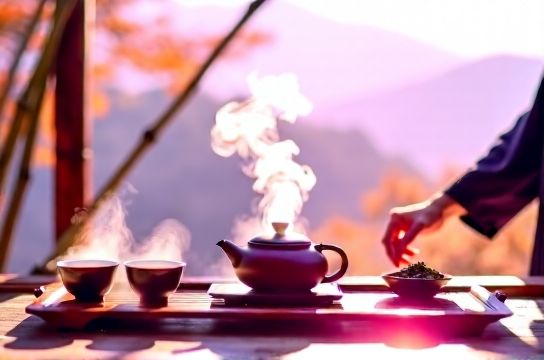
From misty mountain plantations to bustling city teahouses, tea flows through every corner of Chinese society. Did you know China produces over 3 million tons of tea annually, making it the world’s largest producer? But quantity isn’t everything—quality and tradition are what truly define the experience.
The Heart of Chinese Tea: Types & Traditions
Chinese tea isn’t one-size-fits-all. It’s a spectrum. The six main categories are:
- Green Tea (e.g., Longjing)
- Oolong (e.g., Tieguanyin)
- Black Tea (called hong cha, like Keemun)
- White Tea (e.g., Bai Hao Yinzhen)
- Pu-erh (fermented, aged for years)
- Yellow Tea (rare, lightly fermented)
Each type tells a story of region, climate, and craftsmanship. For example, Fujian is famous for oolong, while Yunnan reigns supreme for pu-erh.
Tea by the Numbers: A Quick Snapshot
Let’s break it down with some real data:
| Tea Type | Annual Production (tons) | Key Region | Caffeine Level |
|---|---|---|---|
| Green Tea | 1,800,000 | Zhejiang | Medium |
| Oolong | 300,000 | Fujian | Medium-High |
| Pu-erh | 120,000 | Yunnan | High |
| Black (Hong Cha) | 400,000 | Anhui | Medium |
Source: China Tea Marketing Association, 2023
The Ritual: Gongfu Cha & Beyond
If you’ve only steeped a tea bag, prepare to have your mind blown. The Gongfu Cha method—literally "making tea with skill"—uses small clay pots (Yixing), precise water temps, and multiple short steeps. Each infusion reveals new layers of flavor. It’s not fast; it’s mindful.
In Guangdong and Fujian, dim sum meals come with endless tea refills—a sign of hospitality. Tap two fingers on the table? That’s a silent “thank you,” rooted in legend involving an emperor traveling incognito!
Why This Matters Today
In our caffeine-chugging, on-the-go world, Chinese tea culture offers a reset button. It’s sustainability before the word was trendy—reusing leaves, honoring seasons, and valuing slow moments.
And guess what? Studies show green tea may boost metabolism and heart health. But beyond science, it’s the experience—the warmth in your palms, the aroma rising like morning fog—that keeps people coming back.
So next time you brew a cup, don’t just drink it. Savor it. You’re not just having tea—you’re living a 4,000-year-old tradition.