
Experiencing Tea Culture China in Hangzhou Gardens
- Date:
- Views:236
- Source:The Silk Road Echo
If you've ever sipped a cup of Longjing tea and wondered where its soul comes from, let me take you to Hangzhou—where misty hills, ancient pavilions, and centuries-old traditions brew the perfect cup. Welcome to the heart of Tea Culture China, where every garden tells a story steeped in flavor and philosophy.
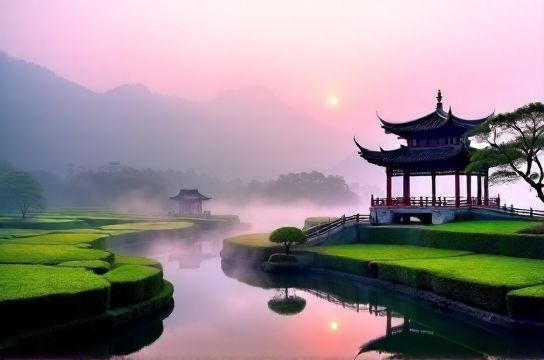
Hangzhou isn’t just a city; it’s a sensory journey. Nestled among West Lake’s shimmering waters and emerald tea plantations, this eastern Chinese gem offers more than postcard views—it invites you to live the tea culture. And trust me, once you’ve walked the rows of Longjing (Dragon Well) tea bushes at sunrise, you’ll never see tea the same way again.
Why Hangzhou? The Birthplace of Elegance & Tea
Hangzhou has been China’s tea capital for over a thousand years. It was during the Southern Song Dynasty (1127–1279) that the city became the imperial capital, drawing scholars, monks, and tea masters who refined tea rituals into an art form. Today, UNESCO recognizes West Lake’s cultural landscape, with tea gardens as a vital thread in its heritage fabric.
Longjing tea alone accounts for over 30% of China’s premium green tea market. Grown in the hilly outskirts of Hangzhou—especially in villages like Meijiawu and Lion Peak (Shi Feng)—this hand-picked treasure owes its nutty aroma and smooth finish to the region’s unique terroir: acidic soil, morning fog, and gentle slopes.
A Day in the Life: Sipping Serenity in Hangzhou Gardens
Start your journey at Huagang Park, where cherry blossoms frame lotus ponds and tea houses whisper tranquility. But the real magic begins in the tea villages. Locals often welcome visitors for DIY tea picking (March to May is prime season!). After harvesting, you can watch—and even try—pan-frying the leaves in giant woks to halt oxidation, a technique unchanged since the Ming Dynasty.
Then, head to China National Tea Museum, the only national museum dedicated to tea. Wander through classical gardens while learning about tea’s role in poetry, Zen Buddhism, and diplomacy. Don’t miss the live gongfu cha (kung fu tea ceremony)—a ballet of precision where every pour honors balance and mindfulness.
Top Tea Experiences in Hangzhou
| Experience | Location | Best Time to Visit | Entry/Price Notes |
|---|---|---|---|
| Tea Picking & Processing | Meijiawu Village | March–May | From ¥80/person (includes tasting) |
| Gongfu Tea Ceremony | China National Tea Museum | Year-round | Free with museum entry (¥40) |
| Sunset Tea Cruise | West Lake | 5–6:30 PM | ¥120 for 1-hour boat + tea |
| Temple Tea Ritual | Lingyin Temple | Morning hours | Temple entry ¥45; tea optional |
Culture Beyond the Cup
Tea in Hangzhou isn’t just drunk—it’s felt. Poets like Su Shi once wandered these paths, writing odes to nature and infusion. Even today, locals gather in pavilions, sharing tea and conversation like rituals passed down through dynasties.
And yes, you can buy authentic Longjing—but beware of fakes. True first-flush Longjing (pre-Qingming harvest) costs ¥800–¥3000/kg. Look for flat, jade-green leaves with a toasted chestnut scent. Pro tip: Buy directly from cooperative farms in Meijiawu to support sustainable practices.
In a world rushing toward the next caffeine hit, Hangzhou slows time with steam rising from a porcelain cup. To experience Tea Culture China here is not just tourism—it’s transformation.