
Experience Authentic Tea Culture China in Daily Life
- Date:
- Views:199
- Source:The Silk Road Echo
Ever sipped tea like a true local in China? Forget fancy teahouses for a second—real tea culture China thrives in the everyday: from grandmas brewing pu’erh in thermoses to office workers steeping chrysanthemum in glass jars. This isn’t just about drinking tea—it’s a rhythm of life, a quiet ritual woven into the fabric of Chinese society.
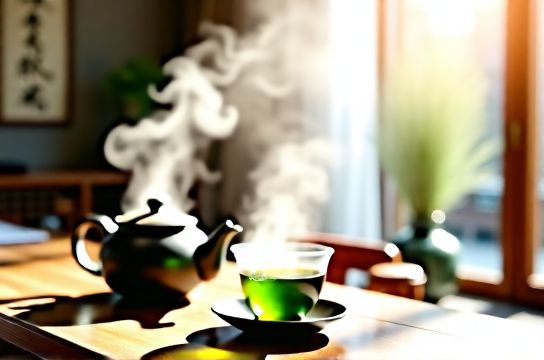
China produces over 3 million tons of tea annually, leading the world by volume (FAO, 2023). But numbers only tell part of the story. The soul of Chinese tea lies in its diversity and daily practice. Let’s break down how tea flows through real Chinese life—with data, insights, and a dash of cultural flair.
The 5 Most Common Teas in Chinese Households
While there are thousands of varieties, a few dominate daily consumption. Here’s what you’ll actually see people drinking:
| Tea Type | Region of Origin | Popular For | Annual Consumption (Est.) |
|---|---|---|---|
| Green Tea | Zhejiang, Jiangsu | Freshness, morning drink~800,000 tons | |
| Pu’erh (Fermented) | Yunnan | Digestion, aging potential~120,000 tons | |
| Oolong | Fujian, Guangdong | Aroma, Gongfu style~100,000 tons | |
| Chrysanthemum (Herbal) | Hangzhou, Anhui | Cooling, eye healthWidely consumed (not counted in leaf tea stats) | |
| Jasmine Tea | Fujian | Sweet aroma, gifting~90,000 tons |
Notice something? It’s not all about taste. Each tea serves a purpose—green for alertness, chrysanthemum for cooling ‘heat’ (a TCM concept), pu’erh after heavy meals. That’s the essence of authentic tea culture China: function meets flavor.
Tea in Action: From Morning Walks to Office Desks
Take a walk in Beijing’s parks at 7 a.m., and you’ll spot retirees with oversized gaiwans, slowly sipping Tieguanyin. In Shanghai offices, employees keep matcha powder handy for afternoon boosts. And in Sichuan, even street vendors serve free tea to loyal customers—it’s hospitality 101.
A 2022 survey by China Tea Marketing Association found that 68% of urban Chinese adults drink tea daily, compared to just 24% who drink coffee regularly. Tea isn’t trendy—it’s timeless.
How to Drink Tea Like a Local (No Ceremony Required)
- Use a lidded cup or gaiwan – It’s practical and allows leaves to unfurl.
- Don’t rush the brew – Many Chinese re-steep leaves 5–7 times, especially oolongs.
- Pair tea with snacks – Sunflower seeds, mooncakes, or dim sum enhance the experience.
- Accept tea when offered – Refusing can seem impolite; even a small sip shows respect.
Forget perfection. Real tea culture China is messy, personal, and deeply comforting. It’s the coworker who shares her homemade osmanthus tea, or the uncle who insists his aged pu’erh ‘cleans your blood.’
Final Sip: Keep It Real, Not Ritualized
You don’t need incense, silk robes, or a $500 tea set to experience authentic tea culture. Just grab a thermos, some loose leaves, and embrace the slow pause. That’s where China’s tea soul truly lives—in the ordinary, the shared, the everyday steep.