
Tea Culture in China Rituals and Traditions in Every Cup
- Date:
- Views:231
- Source:The Silk Road Echo
When it comes to tea, China isn’t just the birthplace—it’s the soul of the leaf. For over 5,000 years, tea has been more than a drink; it’s a ritual, a philosophy, and a bridge between people and nature. From emperors to farmers, everyone in China shares a deep-rooted connection with tea. So, let’s take a sip through history and uncover what makes Chinese tea culture so rich and unforgettable.
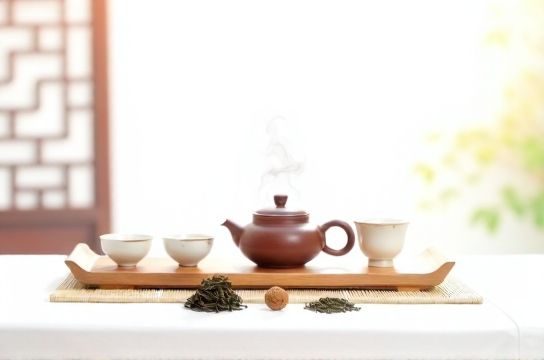
The Heart of the Ceremony: More Than Just Brewing
Gongfu Cha, or “making tea with skill,” is the golden standard in Chinese tea rituals. Originating from Fujian and Guangdong, this method uses small clay teapots (usually Yixing) and emphasizes multiple short steeps. The idea? Extract every layer of flavor—like peeling an onion made of aroma and warmth.
Water temperature, steeping time, even the way you warm the cups—all matter. It’s not fussy; it’s mindfulness in motion. And yes, the first pour is often discarded. Why? To awaken the leaves. Think of it as stretching before a workout.
Tea Types That Define a Nation
China produces over 1,000 types of tea, but they all fall into six main categories. Here’s a quick breakdown:
| Type | Oxidation Level | Flavor Profile | Famous Example |
|---|---|---|---|
| Green Tea | Unoxidized | Grassy, fresh, vegetal | Longjing (Dragon Well) |
| Oolong Tea | Partially oxidized (10–80%) | Floral, creamy, complex | Tieguanyin |
| Black Tea (Red Tea in China) | Fully oxidized | Malty, bold, sweet | Keemun |
| White Tea | Minimally processed | Delicate, sweet, light | Silver Needle |
| Pu-erh Tea | Fermented & aged | Earthy, woody, rich | Shou Pu-erh |
| Yellow Tea | Rare, lightly fermented | Smooth, mellow, honey-like | Huangshan Maofeng |
Each type tells a story of region, season, and craftsmanship. Did you know that top-grade Longjing is hand-pan-fried in a giant wok? Or that some Pu-erh cakes age for decades, increasing in value like fine wine?
Tea in Daily Life: From Respect to Reunion
In China, pouring tea for others is a sign of respect. At family gatherings, young people serve elders first—a gesture known as jǐ chá. During weddings, brides serve tea to their in-laws as a symbol of acceptance. Even business deals are sealed over a shared pot.
And it’s not just about who you pour for—it’s how. Fingers tapped on the table? That’s a silent “thank you.” Legend says Emperor Qianlong once poured tea for his servant, who couldn’t bow (he’d be recognized). So he tapped two fingers instead. The tradition stuck.
Why This Culture Still Matters
In today’s fast-paced world, Chinese tea rituals offer a pause—a moment to breathe, connect, and appreciate. Whether you're sipping delicate white tea in Hangzhou or strong Pu-erh in Kunming, you’re not just drinking. You’re participating in a living tradition.
So next time you brew a cup, don’t rush it. Warm the vessel, smell the leaves, and honor the moment. Because in every cup of Chinese tea, there’s history, harmony, and a little bit of soul.