
Immersing in Tea Culture China the Heart of Tradition
- Date:
- Views:229
- Source:The Silk Road Echo
China isn’t just the birthplace of tea — it’s a living, breathing tea ceremony that unfolds in every sip. If you’ve ever wondered why Chinese tea feels like a warm conversation with history, you’re not far off. From misty mountain plantations to bustling city teahouses, tea culture in China is deep, diverse, and deliciously immersive.
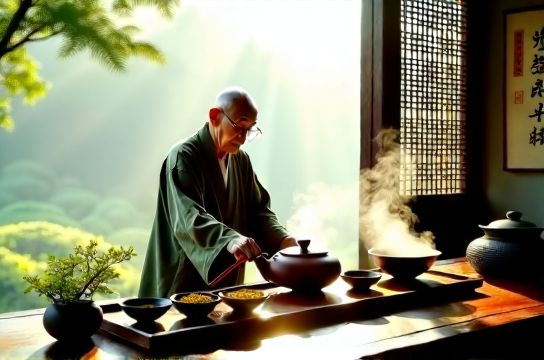
Let’s spill the (teapot) truth: over 60% of the world’s tea comes from China, according to FAO stats. But this isn’t just about quantity — it’s about centuries of craftsmanship, philosophy, and flavor. Whether you're sipping delicate Longjing in Hangzhou or bold Pu’er in Yunnan, each cup tells a story.
The Big Five: China’s Most Famous Teas
China boasts hundreds of tea varieties, but these five are the rockstars of the scene:
| Tea Type | Region | Caffeine Level | Flavor Profile | Average Price (USD/100g) |
|---|---|---|---|---|
| Longjing (Dragon Well) | Zhejiang | Medium | Grassy, nutty, fresh | 15–30 |
| Darjeeling (grown in China too!) | Fujian | High | Floral, muscatel | 20–40 |
| Bai Mudan (White Peony) | Fujian | Low | Delicate, sweet, earthy | 12–25 |
| Tieguanyin (Iron Goddess) | Fujian | Medium-High | Floral, creamy, roasted | 18–35 |
| Pu’er (Aged & Fermented) | Yunnan | Medium | Earthy, woody, smooth | 10–100+ |
Yep, some Pu’er cakes go for more than your weekend brunch. Why? Because aged Pu’er can appreciate like fine wine — some vintage batches sell for thousands!
Tea Rituals: More Than Just a Cuppa
In China, brewing tea is an art form. The Gongfu Cha method — meaning "making tea with skill" — uses tiny clay pots, multiple short steeps, and serious focus. It’s not about caffeine; it’s about connection.
Pro tip: Visit a traditional teahouse in Chengdu. Locals play mahjong, chat for hours, and refill their cups from giant bamboo thermoses. One visit costs as little as $2 — talk about value!
How to Experience Tea Culture Like a Local
- Visit a plantation: Take a guided tour in Hangzhou (Longjing) or Xishuangbanna (Pu’er). Pluck leaves, learn processing, and taste farm-fresh brews.
- Join a tea ceremony class: Cities like Beijing and Shanghai offer English-friendly workshops. You’ll leave knowing how to brew like a pro — and impress your friends back home.
- Buy smart: Avoid tourist traps. Look for shops with certifications or ask locals for recommendations. Vacuum-sealed, opaque packaging = freshness.
And don’t forget: good tea doesn’t need sugar. Let the natural flavors shine.
Final Sip
Exploring tea culture in China isn’t just a tasting journey — it’s a cultural deep dive. Whether you're a curious beginner or a seasoned sipper, there’s always something new to discover in that humble leaf. So next time you pour a cup, take a moment. Breathe it in. That’s tradition steeping.