
Experiencing Local Lifestyle China in Traditional Neighborhoods
- Date:
- Views:235
- Source:The Silk Road Echo
Want to skip the tourist traps and see the real China? Then dive into its traditional neighborhoods—where life unfolds not in skyscrapers, but in narrow alleys, bustling courtyards, and steaming street-food stalls. These historic communities, like Beijing’s hutongs, Chengdu’s old lanes, or Shanghai’s longtangs, are where locals live, laugh, and linger over morning tea.
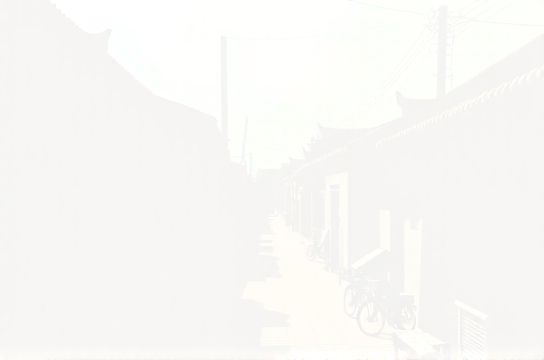
Forget five-star hotels for a moment. The soul of Chinese culture pulses strongest in these grassroots districts. According to China’s Ministry of Culture, over 60% of domestic travelers now seek "authentic local experiences"—and traditional neighborhoods deliver just that.
The Charm of Hutongs, Longtangs, and Beyond
In Beijing, hutongs—centuries-old alleyways formed by rows of courtyard homes (siheyuan)—are more than architecture. They’re living social networks. Locals play chess under gingko trees, kids zoom past on scooters, and grandmas barter for bok choy at corner markets. Over 1,000 hutongs once dotted the capital; today, around 600 remain, with UNESCO pushing for preservation.
Head south to Shanghai, and you’ll wander through longtangs—narrow residential lanes lined with shikumen houses blending Western and Chinese design. These tight-knit communities buzz with communal laundry lines, shared kitchens, and gossip exchanged over bamboo steamers.
And in Chengdu? Old neighborhoods double as leisure zones. At 7 a.m., parks fill with tai chi practitioners; by noon, locals sip jasmine tea at rickety tables, debating Sichuan politics between bites of spicy dan dan noodles.
Why Go Local? By the Numbers
Data shows travelers crave connection. A 2023 Mafengwo travel report found:
| Traveler Preference | Percentage |
|---|---|
| Seeking authentic local life | 68% |
| Prefer homestays over hotels | 54% |
| Willing to walk instead of tour bus | 72% |
These aren’t just trends—they’re a shift in mindset. Travelers want stories, not souvenirs.
How to Explore Like a Local
- Start early: Join morning routines. Buy a warm jianbing (Chinese crepe) from a street vendor at 6:30 a.m. It’s cheap (¥5–8), delicious, and a golden chance to chat with residents.
- Bike it: Rent a shared bike (¥1.5/hour) and cruise through hutongs. You’ll spot hidden temples, cats napping on rooftops, and artisans mending kites.
- Stay in a guesthouse: Opt for family-run accommodations. In Pingjiang Alley (Suzhou), heritage guesthouses average ¥200/night and include homemade breakfasts with pickled vegetables and congee.
- Take a cooking class: Learn dumpling-making from a grandma in Xi’an. Pro tip: Ask about her favorite market—she’ll lead you to ingredients tourists never find.
Remember: Respect is key. Don’t point cameras at private courtyards without asking. Smile, say “nǐ hǎo,” and maybe share a snack. That’s how trust—and memories—are built.
Final Thoughts
China’s traditional neighborhoods aren’t museums—they’re breathing, evolving spaces. Whether you're sipping tea in a Chengdu teahouse or tracing calligraphy in a Beijing courtyard, you’re not just visiting. You’re connecting.
So ditch the itinerary once in a while. Get lost in an alley. Follow the smell of stir-fry. That’s where the real China lives.