
Immerse in Chinese Tea Culture and Local Lifestyle China
- Date:
- Views:203
- Source:The Silk Road Echo
Want to truly experience China beyond the postcards? Skip the bullet trains and neon cities for a moment, and dive into something deeper—China’s centuries-old tea culture and the quiet rhythm of local life. This isn’t just about sipping tea; it’s about slowing down, connecting with people, and tasting authenticity in every leaf.
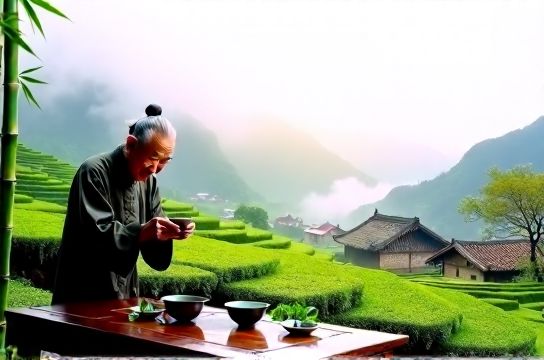
Why Tea? Because It’s More Than a Drink
In China, tea is philosophy in a cup. From misty mountain plantations to bustling urban teahouses, tea shapes daily rituals. Over 8 million tons of tea are produced annually in China—nearly 40% of the world’s supply. But behind those numbers lies tradition, craftsmanship, and community.
Whether you're in Fujian sipping delicate Tieguanyin or in Yunnan sharing pu-erh with a village elder, tea opens doors. Locals don’t just drink it—they live by it. Morning gongfu cha ceremonies, afternoon chats over chajv (tea snacks), and evening wind-downs with aged oolong—it’s all part of the lifestyle.
Top Tea Experiences You Can’t Miss
- Visit a Tea Plantation: Walk among emerald-green terraces in Longjing (Dragon Well) Village near Hangzhou. Try your hand at plucking leaves during spring harvest (March–April).
- Learn Gongfu Cha: Join a tea master in Chaozhou and master the art of brewing with small clay pots, precise water temps, and multiple infusions.
- Stay in a Teahouse Inn: In Chengdu, sleep above an old-school teahouse where locals play mahjong and sip jasmine tea under bamboo fans.
Tea Regions & Their Signature Brews
China’s vast landscape yields wildly different flavors. Here’s a quick guide to the top regions and what makes each unique:
| Region | Tea Type | Flavor Profile | Best Time to Visit |
|---|---|---|---|
| Hangzhou, Zhejiang | Longjing (Dragon Well) | Grassy, nutty, smooth | March–April (harvest season) |
| Anxi, Fujian | Tieguanyin (Iron Goddess) | Floral, creamy, aromatic | Spring & Autumn |
| Yunnan | Pu-erh (fermented) | Earthy, woody, complex | Year-round |
| Huangshan, Anhui | Huangshan Maofeng | Sweet, floral, refreshing | April–May |
Cultural Tips: How to Sip Like a Local
Tea time is sacred. A few unwritten rules go a long way:
- Tap the table: When someone pours your tea, lightly tap two fingers to say “thanks.” Legend says Emperor Qianlong did this incognito!
- Don’t rush: Good tea is brewed 5–7 times. Each steep reveals new layers.
- Bring a tea gift: A small tin of high-quality tea is a thoughtful present when visiting a home.
And don’t be surprised if your tea session turns into a life story session. Many locals open up over a shared pot—this is where real connection happens.
Final Steep: Make It Meaningful
Traveling through China’s tea culture isn’t about checking boxes. It’s about presence. Sit longer. Ask questions. Taste the terroir. Let the steam rise, the conversation flow, and the moment sink in.
So next time you plan a trip to China, skip the mall. Find a quiet courtyard, accept that tiny cup of golden brew, and let the culture steep into you—one mindful sip at a time.