
Experiencing Tea Culture China in a Traditional Hangzhou Garden
- Date:
- Views:196
- Source:The Silk Road Echo
If you've ever dreamed of sipping the world's freshest green tea while surrounded by misty hills, lotus ponds, and ancient pavilions, then Hangzhou is your spiritual destination. This city isn’t just about West Lake sunsets—it’s the soul of Chinese tea culture. At the heart of it all? The tranquil Longjing (Dragon Well) tea gardens nestled in traditional Jiangnan-style gardens.
Why Hangzhou Is the Tea Capital of China
Hangzhou has been synonymous with premium tea for over a thousand years. Home to Longjing tea—one of China’s Ten Famous Teas—this city produces some of the most sought-after green tea globally. In fact, Longjing accounts for over 30% of China’s high-end green tea market. Harvested by hand each spring (usually late March to April), the leaves are pan-fired within hours to preserve their vibrant color and nutty aroma.
But here’s the real magic: experiencing tea not just as a drink, but as a ritual. And there’s no better place than a traditional garden like Huagang Guanyu or the quieter Meijiawu Tea Village, where time slows down with every pour.
The Art of Gongfu Cha in a Garden Setting
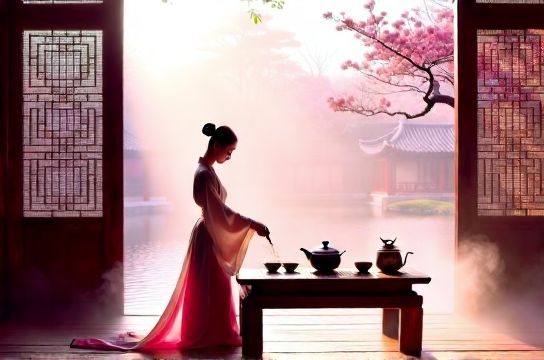
Sit on a curved stone bench under a willow tree, and let a tea master guide you through Gongfu Cha—the 'skillful brewing' method using tiny clay Yixing pots. It’s not about caffeine; it’s mindfulness. Each infusion reveals new layers: the first sip is grassy and bright, the third becomes sweet and floral.
Here’s what makes a traditional Hangzhou tea session unique:
| Element | Significance |
|---|---|
| Water Temperature | 75–80°C – Too hot, and you kill the delicate flavor |
| Brew Time | 30–45 seconds per steep – Up to 3 infusions recommended |
| Tea-to-Water Ratio | 3g per 100ml – Precision matters |
| Teaware | Yixing pot or glass gaiwan – Enhances aroma retention |
Top 3 Gardens to Sip & Soak It In
- Meijiawu Tea Village: Authentic family-run farms. Try fresh-picked Longjing with a view of terraced hills.
- Lingyin Temple Garden: Combine spiritual vibes with tea breaks at nearby teahouses.
- China National Tea Museum: Interactive exhibits + outdoor tea ceremonies in a Song-dynasty style garden.
Pro Tips for the Ultimate Experience
Want to go beyond the tourist trail? Visit in early April during the tea plucking season. Many gardens offer hands-on picking tours—yes, you can harvest your own tea! Just remember: locals say, 'The best tea is picked before Guyu (April 20).' After that, the leaves get tougher.
And don’t skip the snacks. Pair your brew with osmanthus cakes or lotus seed pastries—their subtle sweetness complements the tea’s freshness perfectly.
In Hangzhou, tea isn’t rushed. It’s savored. It’s shared. It’s poetry in liquid form. So leave the matcha lattes behind and discover tea culture China in its most elegant, serene form—where every sip tells a story rooted in centuries of tradition.