
Tea Culture China A Journey Through Local Traditions
- Date:
- Views:220
- Source:The Silk Road Echo
Ever sipped a cup of tea and felt like you’ve traveled back in time? In China, that’s not just poetic—it’s daily life. With over 5,000 years of history, Chinese tea culture isn’t just about drinking; it’s a ritual, an art, and a way to connect with nature and people. From misty mountain plantations to bustling city teahouses, every sip tells a story.
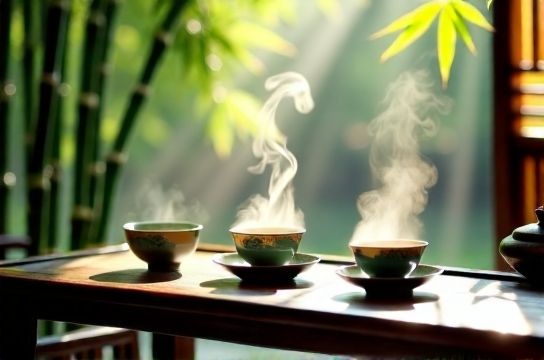
Why Tea in China Is More Than Just a Drink
China is the birthplace of tea—literally. Did you know the word 'tea' comes from the Chinese 'cha'? But here, it’s not just caffeine. It’s respect. It’s harmony. It’s tradition. Whether you're in a quiet courtyard in Hangzhou or a lively street market in Guangzhou, tea is the heartbeat of social life.
And let’s talk numbers: China produces over 3 million tons of tea annually, leading the world. But quality? That’s where local traditions shine. Each region has its own specialty, climate, and technique—making Chinese tea incredibly diverse.
Top 4 Must-Try Chinese Teas & Where to Find Them
Ready to go on a flavor adventure? Here are the heavy hitters you can’t miss:
- Longjing (Dragon Well) Green Tea – Crisp, nutty, grown in Hangzhou’s West Lake area.
- Dahongpao (Big Red Robe) Oolong – Smoky, rich, from Fujian’s Wuyi Mountains.
- Pu-erh Fermented Tea – Earthy, bold, aged for years in Yunnan.
- Jasmine Tea – Fragrant and floral, hand-scented with fresh jasmine blossoms in Fujian.
Tea Regions at a Glance
Check out this quick guide to China’s top tea-producing regions and what makes each unique:
| Region | Famous For | Annual Output (Tons) | Best Time to Visit |
|---|---|---|---|
| Zhejiang (Hangzhou) | Longjing Green Tea | 25,000 | March–April (Spring Harvest) |
| Fujian | Oolong & Jasmine Tea | 400,000 | May & September |
| Yunnan | Pu-erh Tea | 160,000 | March–October |
| Anhui | Keemun Black Tea | 15,000 | April–May |
The Ritual: How Tea Is Served the Chinese Way
Forget tea bags. In China, it’s all about Gongfu Cha—the 'skillful method.' Think tiny clay teapots, multiple short steeps, and a focus on aroma and aftertaste. It’s not fast. It’s intentional. And yes, you’ll likely get a side of wisdom from your host while you wait.
Pro tip: Always tap the table twice with two fingers when someone pours your tea. It’s a silent 'thank you'—a tradition dating back to Emperor Qianlong!
How to Experience Authentic Tea Culture
- Visit a tea plantation tour in Hangzhou or Yunnan.
- Join a tea ceremony class in Beijing or Chengdu.
- Sip tea at a traditional teahouse in Suzhou’s gardens.
- Buy directly from farmers at local tea markets.
Final Sip: Why This Tradition Still Matters
In our fast-paced world, Chinese tea culture reminds us to slow down. To appreciate the moment. To share stories. So next time you brew a cup, don’t just drink it—experience it. Because in China, tea isn’t just a beverage. It’s a journey.