
Understanding Tea Culture China Beyond the Teacup Rituals
- Date:
- Views:235
- Source:The Silk Road Echo
When you think of Chinese tea, what comes to mind? A quiet moment with a steaming cup? An elder sipping from a gaiwan in a sunlit courtyard? Sure, that’s part of it — but Chinese tea culture runs way deeper than just drinking leaves in hot water. It’s history, philosophy, art, and daily rhythm all rolled into one fragrant sip.
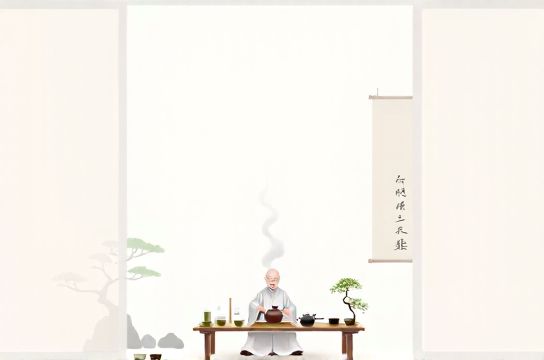
The Roots: More Than 5,000 Years of Steeped History
Legend says Emperor Shen Nong discovered tea in 2737 BCE when leaves blew into his boiling water. Whether that’s true or not, we do know tea was being documented in texts by the Han Dynasty (206 BCE–220 CE). By the Tang Dynasty, “The Classic of Tea” by Lu Yu became the world’s first definitive book on tea cultivation and preparation — talk about steeping standards!
Tea Types & Their Terroir: A Flavor Map of China
China grows over 1,000 varieties of tea across 20+ provinces. But here are the six main categories every tea lover should know:
| Type | Key Region | Caffeine Level | Flavor Profile | Famous Example |
|---|---|---|---|---|
| Green Tea | Zhejiang (West Lake) | Medium | Grassy, fresh, slightly sweet | Longjing (Dragon Well) |
| Oolong | Fujian, Guangdong | Medium-High | Floral, roasted, complex | Tieguanyin, Da Hong Pao |
| Black Tea (Red Tea in China) | Yunnan, Anhui | High | Malty, bold, fruity | Dianhong, Keemun |
| White Tea | Fujian | Low | Delicate, sweet, floral | Silver Needle |
| Pu-erh | Yunnan | Medium (ages up!) | Earthy, woody, smooth | Ripened & Raw Pu-erh |
| Yellow Tea | Hunan, Sichuan | Low-Medium | Subtly sweet, mellow | Junshan Yinzhen |
Gongfu Cha: The Art of Brewing Like a Pro
If you’ve seen someone pour tea with tiny cups, multiple rinses, and graceful movements — that’s Gongfu Cha, literally “making tea with skill.” This method uses small clay Yixing teapots or gaiwans, high leaf-to-water ratios, and short steeps (10–30 seconds) to unlock layers of flavor across 5–10 infusions.
Why bother? Because good oolong or pu-erh evolves with each brew — like a story unfolding in your cup.
Tea in Daily Life: From Street Stalls to Spiritual Practice
In China, tea isn’t just for ceremonies. It’s the default drink at family dinners, business meetings, and even street-side barber shops. In Guangzhou, dim sum meals come with endless tea refills — usually chrysanthemum or pu-erh to cut through the oil.
And let’s not forget tea houses — some are modern minimalist spots, others centuries-old wooden halls where elders play mahjong while their tea steeps.
Fun Fact: Tea as Currency?
During the Tang and Song dynasties, tea was so valuable it was used as currency along the Tea Horse Road — a 4,000-km network trading tea from Sichuan and Yunnan for Tibetan horses. Imagine paying rent with Longjing…
Want to Dive Deeper?
Visit Hangzhou’s Longjing village, take a tea-picking tour in Fujian, or join a tea-tasting session in Beijing. Or better yet — grab a gaiwan, some quality leaves, and start brewing. Because understanding Chinese tea culture isn’t just about reading. It’s about sipping, smelling, and slowing down.
As the saying goes: "One who drinks tea does not walk with hurried steps."