
Savor Tea Culture China During a Morning Market Walk
- Date:
- Views:209
- Source:The Silk Road Echo
There’s something magical about starting your day in China with the aroma of fresh tea leaves dancing through morning market alleys. Forget sterile cafes and pre-packaged blends—true tea lovers know the real magic happens where locals do: in bustling morning markets, where steam rises from bamboo baskets and vendors proudly display jars of hand-picked oolong, smoky lapsang souchong, and delicate jasmine pearls.
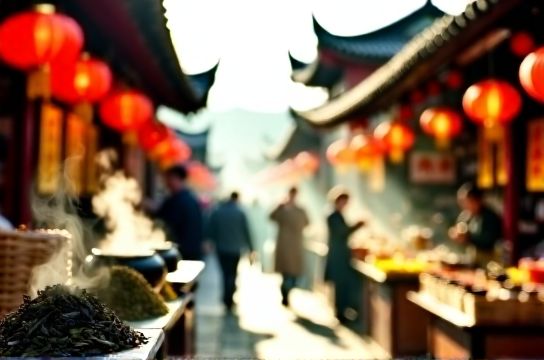
China isn’t just the birthplace of tea—it’s a nation that breathes it. With over 4,000 years of tea history and more than 3 million tons produced annually, tea is woven into daily life like no other country. And what better way to immerse yourself than on a morning market stroll?
Why Morning Markets? The Pulse of Authentic Tea Culture
Morning markets are where tradition meets taste. Unlike touristy tea houses, these vibrant hubs offer raw, unfiltered access to regional varieties, local brewing methods, and passionate sellers who treat tea like poetry.
From Guangzhou’s wet markets to Chengdu’s alleyway stalls, you’ll find tea being bartered, sampled, and shared with pride. It’s not just about buying—it’s about experiencing.
Top 5 Must-Try Teas at Chinese Morning Markets
Here’s a quick guide to the stars of the show:
| Tea Type | Region | Flavor Profile | Avg. Price (CNY/kg) |
|---|---|---|---|
| Longjing (Dragon Well) | Hangzhou | Grassy, nutty, smooth | 800–3,000 |
| Dahongpao (Big Red Robe) | Fujian | Toasted, floral, mineral-rich | 1,500–10,000+ |
| Jasmine Pearl | Fuzhou | Sweet, floral, aromatic | 400–1,200 |
| Pu’er (Aged) | Yunnan | Earthy, woody, complex | 600–5,000 |
| Biluochun | Jiangsu | Fruity, floral, refreshing | 700–2,000 |
Pro Tip: Always ask for a sample before buying. Vendors often brew a quick cup using the gaiwan method—watch how they swirl, steep, and serve. It’s a mini masterclass in tea craftsmanship.
How to Navigate the Market Like a Local
- Arrive early – Best selection between 6:00–8:30 AM.
- Bring small bills – Many vendors don’t accept digital payments in traditional markets.
- Engage politely – A simple “Nǐ hǎo” and smile go a long way.
- Smell & touch – Quality tea should have vibrant color and rich aroma.
And don’t be shy—ask questions! Many older vendors love sharing stories behind their harvests or explaining why their Tieguanyin is steamed just so.
Tea Etiquette: Sip Like You Mean It
In China, tea isn’t gulped—it’s savored. Here’s how to blend in:
- Tap two fingers lightly on the table when someone pours you tea—it’s a silent ‘thank you’ rooted in legend.
- Never slam an empty cup; leave a little at the bottom to signal you’re still enjoying.
- Appreciate the rinse. Many teas are briefly washed before brewing—don’t drink this first pour!
As one elderly vendor in Kunming told me: “Tea is patience in a cup.”
Final Brew: Make It More Than a Purchase
Walking through a Chinese morning market isn’t just shopping—it’s stepping into centuries of ritual, respect, and rhythm. Whether you walk away with a tin of golden monkey black tea or just the memory of steam curling off a shared pot, you’ve tasted something deeper: the soul of Chinese tea culture.
So lace up your shoes, follow your nose, and let the market guide your palate. Your perfect cup is brewing.