
Immersing in Tea Culture China Everyday Rituals
- Date:
- Views:179
- Source:The Silk Road Echo
Tea isn’t just a drink in China—it’s a way of life. From misty mountain plantations to bustling city teahouses, the ritual of brewing and sipping tea weaves through daily routines like a warm thread connecting past and present. Whether you're a seasoned sipper or a curious newcomer, diving into China’s tea culture is like stepping into a centuries-old story where every cup tells a tale.
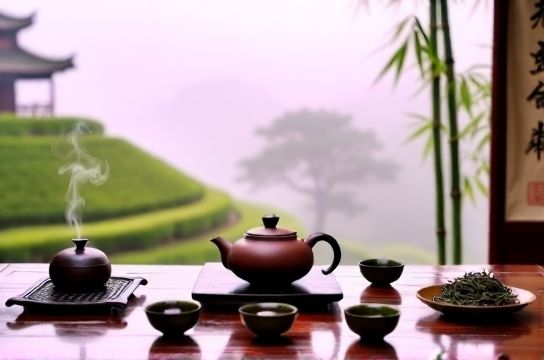
China produces over 3 million tons of tea annually—more than any other country—and boasts six major tea categories: green, black (called hong cha), oolong, white, yellow, and post-fermented (like the earthy pu’er). Each region has its signature brew, and locals often swear by their hometown favorite.
Take Hangzhou, for example. It’s home to Longjing (Dragon Well), one of China’s most celebrated green teas. Grown on gentle slopes kissed by spring fog, this flat-leaf tea offers a nutty aroma and smooth finish. Locals don’t just drink it—they perform a delicate gongfu-style pour, using small clay pots and tiny cups to savor each infusion.
But tea time isn’t reserved for ceremonies. In Guangdong, dim sum brunches come with endless pots of jasmine or tieguanyin oolong. In Sichuan, people gather in parks for “laohu cha” (barefoot tea), where bamboo cups hang from trees and conversations flow as freely as the tea.
To help you navigate this rich tradition, here’s a quick guide to China’s top teas and where to enjoy them:
| Tea Type | Region | Flavor Profile | Brew Temp |
|---|---|---|---|
| Longjing (Green) | Hangzhou | Nutty, fresh, slightly sweet | 75–80°C |
| Tieguanyin (Oolong) | Fujian | Floral, creamy, complex | 90–95°C |
| Pu’er (Fermented) | Yunnan | Earthy, woody, mellow | Boiling |
| Jasmine (Scented) | Fuzhou | Aromatic, sweet, floral | 85°C |
Want to go beyond the cup? Visit a traditional teahouse in Chengdu, where you can watch a tea-pouring performance—complete with long-spouted kettles and acrobatic flair. Or head to Yunnan’s ancient tea forests, where wild pu’er trees have been harvested for over a thousand years.
The beauty of Chinese tea culture lies in its accessibility. You don’t need fancy tools or deep knowledge—just an open mind and a willingness to slow down. As the saying goes, “One who drinks a cup of tea finds peace.” So next time you’re in China, skip the coffee. Sit back, steep a pot, and let the ritual unfold.