
Immerse in Tea Culture China and Local Lifestyle China
- Date:
- Views:212
- Source:The Silk Road Echo
Want to truly experience China? Skip the bullet trains and neon-lit malls for a sec. The real magic? It’s in a steaming cup of tea, shared in a quiet courtyard or a misty mountain village. Welcome to the heart of Tea Culture China—where every sip tells a story.
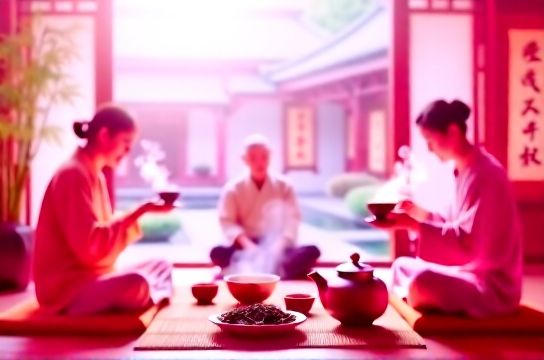
China isn’t just the birthplace of tea—it’s the soul of it. With over 4,000 years of history, tea is more than a drink here; it’s philosophy, ritual, and daily rhythm rolled into one. From the delicate aroma of Longjing (Dragon Well) in Hangzhou to the earthy depth of Pu’er in Yunnan, each region brews its own flavor of tradition.
Why Tea = Lifestyle in China
In China, tea isn’t rushed. It’s slow, intentional, and social. Morning gongfu cha ceremonies, afternoon chats over oolong, late-night jasmine tea with friends—tea punctuates the day like poetry. In fact, the average Chinese person drinks about 1.2 kg of tea per year, according to the FAO. But it’s not about quantity. It’s about presence.
Top 5 Must-Try Chinese Teas & Where to Sip Them
Ready to go beyond bubble tea? Here are five iconic teas that define Local Lifestyle China:
| Tea Name | Region | Flavor Profile | Best Time to Visit |
|---|---|---|---|
| Longjing (Dragon Well) | Hangzhou, Zhejiang | Grassy, nutty, fresh | Spring (March–April) |
| Pu’er | Xishuangbanna, Yunnan | Earthy, woody, aged | Year-round |
| Tieguanyin (Iron Goddess) | Anxi, Fujian | Floral, creamy, complex | Fall (Sept–Oct) |
| Dahongpao (Big Red Robe) | Wuyi Mountains, Fujian | Toasted, mineral, bold | Spring & Fall |
| Jasmine Pearl | Hengxian, Guangxi | Sweet, fragrant, floral | Summer |
Pro tip: Don’t just drink—participate. Join a tea-picking tour in Hangzhou or learn gongfu brewing from a master in Chaozhou. These aren’t tourist traps—they’re gateways into local life.
Tea Houses: More Than Just a Cup
In cities like Chengdu, old-school tea houses buzz with retirees playing mahjong, students reading novels, and strangers chatting over tiny cups. At parks like People’s Park, you’ll pay just ¥10 ($1.40) for all-day tea access—talk about value!
But it’s not all casual. In Beijing, high-end tea salons offer curated tastings where a single gram of aged Pu’er can cost more than your dinner. This duality—simple yet profound—is what makes Tea Culture China so captivating.
How to Drink Tea Like a Local
- Tap two fingers: When someone pours your tea, lightly tap the table with two fingers (index and middle). It’s a silent “thank you,” rooted in a Qing Dynasty legend.
- Refill often: An empty cup is a sad cup. Keep pouring for others—it’s hospitality 101.
- Sip, don’t gulp: Smell the steam, feel the warmth, savor the aftertaste. Rushing? That’s un-Cha.
So next time you're in China, ditch the itinerary for an hour. Find a tea house, order a pot, and let the leaves unfold. Because the best way to understand a culture? Sit down, slow down, and share a cup.