
From Field to Cup: Harvesting Oolong in Fujian’s Mountains
- Date:
- Views:222
- Source:The Silk Road Echo
Ever wonder how that smooth, floral sip of oolong tea ends up in your morning mug? Let’s take a walk — literally — through the misty hills of Fujian, China, where some of the world’s most legendary oolong tea is born. This isn’t factory farming; it’s centuries-old tradition meeting Mother Nature at her finest.
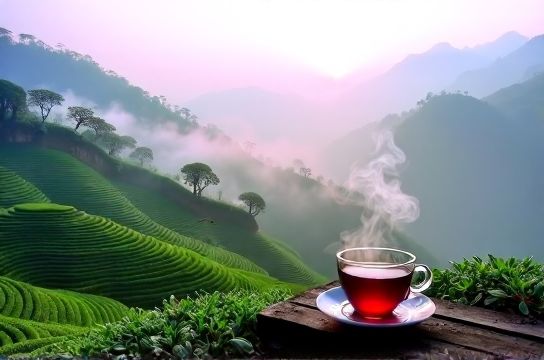
Tucked in the lush, rolling mountains of Fujian, tea farms cling to steep slopes like green tapestries woven by time. The altitude, humidity, and mineral-rich soil create the perfect storm for growing high-quality oolong. But it all starts with the harvest — and trust me, it’s not as simple as grabbing a basket and going full farmer mode.
Spring is king here. That’s when tea farmers, often families who’ve tended these plants for generations, head out at dawn with nimble fingers ready. They’re hunting for the ‘two leaves and a bud’ — the youngest, most tender parts of the tea plant. Why? Because those little guys pack the most flavor, aroma, and caffeine punch. And no machines here — everything’s hand-plucked to avoid bruising the delicate leaves.
Once harvested, the real magic begins. Oolong is a semi-oxidized tea, which means it sits somewhere between green and black tea in both taste and processing. After plucking, the leaves are spread out under the sun to wither, then brought indoors to cool and oxidize. This step is where skill shines — too much oxidation and you’ve got black tea; too little and it’s basically green. The farmers watch closely, adjusting temperature and timing like culinary scientists.
Next comes fixing — heating the leaves to stop oxidation — followed by rolling (to shape them and release essential oils) and finally, roasting. Some oolongs get a light roast for a fresh, floral vibe; others go darker for a toasty, honey-like depth. Each batch tells a story of its terroir, weather, and the hands that made it.
By the time it reaches your kettle, that oolong has traveled a long, careful journey — from dewy mountain fields to sun-dried patios to artisan roasting pans. And honestly? That complexity shows up in every fragrant sip.
Drinking oolong from Fujian isn’t just about staying hydrated or getting a caffeine boost. It’s a taste of heritage, patience, and place. So next time you brew a cup, take a second to imagine those misty peaks and skilled hands. You’re not just drinking tea — you’re sipping on mountain poetry.
If you’re into bold flavors, natural wellness, or just geeking out over real food stories, Fujian oolong should be on your radar. It’s more than a beverage — it’s a slow-motion masterpiece.