
Tea Masters of Hangzhou: A Day in the Life of a Longjing Farmer
- Date:
- Views:215
- Source:The Silk Road Echo
Ever wondered what it takes to grow the world’s most famous green tea? Meet Old Chen, a third-generation Longjing (Dragon Well) tea farmer in Hangzhou, China. His story isn’t just about tea — it’s about tradition, hard work, and a deep love for the land.
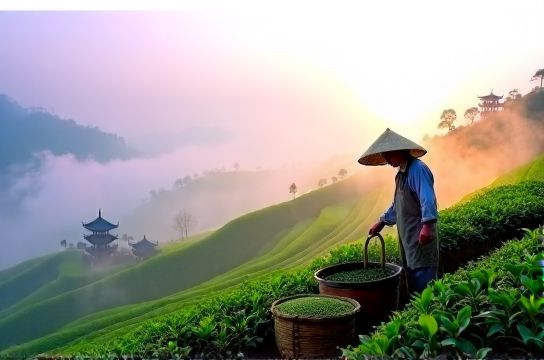
Sunrise hits the misty hills of Xihu District around 5:30 a.m., and by 6 a.m., Old Chen is already on the slopes, basket slung over his shoulder. "The best leaves are picked before the sun gets too strong," he says with a grin, fingers moving fast through the tender tea shoots. These aren’t just any leaves — they’re *Camellia sinensis* varietals grown only in this unique microclimate, where fog, rain, and red soil create the perfect conditions for Longjing’s signature nutty flavor and smooth finish.
Harvest season runs from early March to April, and every day during peak time is packed. By 8 a.m., his wife joins him, carefully selecting one bud and one leaf — anything more, and the quality drops. "Mechanical harvesters? Sure, they exist," Old Chen chuckles, "but they can’t feel the leaf like we can. This is art, not assembly line."
By mid-morning, the family brings the fresh-picked leaves back to their small processing shed. Next comes the crucial step: pan-firing. Using wide iron woks heated over gas flames, they roast the leaves by hand, tossing and pressing them for up to 20 minutes. The heat stops oxidation, locks in freshness, and gives Longjing its flat, sword-like shape. The smell? Imagine warm chestnuts and fresh grass dancing in the air.
"People think tea is just steeped and served," says Xiao Mei, Old Chen’s daughter, who runs their online shop. "But each batch tells a story — the weather, the soil, how fast we fired the leaves. That’s why real Longjing costs more than supermarket blends."
Tourists flock here year-round, lured by tea-tasting tours and DIY picking experiences. But behind the Instagrammable moments is backbreaking labor. A single skilled picker gathers only 3–4 pounds of fresh leaves daily — and it takes about 3 pounds of leaves to make just one pound of finished tea.
Still, Old Chen wouldn’t trade it. "My hands are rough, my back aches, but when someone sips my tea and closes their eyes with a smile? That’s everything."
So next time you pour a cup of emerald-green Longjing, remember the dawn climbs, the blistered hands, and generations of wisdom steeped in every sip. This isn’t just tea — it’s liquid heritage.