
Tea Culture China Uncovering the Rituals Behind Local Lifestyle
- Date:
- Views:231
- Source:The Silk Road Echo
When you think of China, what comes to mind? The Great Wall? Dim sum? How about a steaming cup of oolong served with a smile? Tea isn’t just a drink in China—it’s a way of life. From bustling city tea houses to quiet mountain villages where farmers hand-pick leaves at dawn, tea culture in China runs deep. Let’s dive into the fragrant world of Chinese tea rituals, explore its roots, and uncover why this ancient tradition still brews strong today.
The Heartbeat of Chinese Daily Life
In China, tea is more than caffeine—it’s connection. Whether it’s a formal gongfu cha ceremony or a quick pour from a thermos at a street market, tea brings people together. In Guangdong, locals sip Cantonese-style milk tea with dim sum; in Fujian, golden oolong dances in tiny clay pots; and in Yunnan, aged pu-erh is treasured like vintage wine.
Did you know? Over 50% of households in China consume tea daily (China National Tea Association, 2023). That’s half a billion people starting their day with a leafy infusion!
A Sip Through History
Tea’s story in China began over 5,000 years ago—legend says Emperor Shen Nong discovered it when leaves blew into his boiling water. By the Tang Dynasty (618–907 AD), tea drinking was an art form. The famous Classic of Tea by Lu Yu laid the foundation for tea philosophy, elevating it from herb to haute culture.
Fast forward to today: China produces over 3 million tons of tea annually—nearly 40% of the world’s supply. No wonder tea tourism is booming!
Types of Chinese Tea: A Flavor Map
Not all teas are created equal. Here’s a quick guide to the six main types:
| Type | Flavor Profile | Region | Caffeine Level |
|---|---|---|---|
| Green (e.g., Longjing) | Grassy, fresh | Zhejiang | Medium |
| Oolong (e.g., Tieguanyin) | Floral, roasted | Fujian | Medium-High |
| Black (e.g., Keemun) | Rich, malty | Anhui | High |
| Pu-erh | Earthy, woody | Yunnan | Medium |
| White (e.g., Bai Hao Yinzhen) | Delicate, sweet | Fujian | Low |
| Yellow | Smooth, mellow | Hunan | Low-Medium |
Tea Ceremonies: More Than Just Pouring
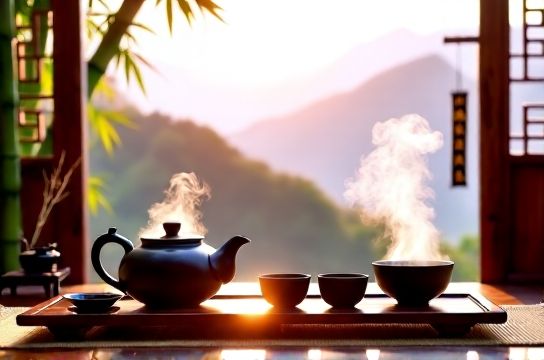
The gongfu cha method—meaning “making tea with skill”—is theater in a teapot. Using small Yixing clay pots, hosts rinse leaves, control water temps, and serve multiple short infusions. Each steep reveals new layers, like a tea tasting menu.
Pro tip: In Chaozhou, locals believe the first sip should be bitter, the second floral, and the third sweet—life in a cup!
Tea Tourism: Brew Your Own Adventure
Want to walk through emerald tea fields and taste leaves minutes after picking? Join a tea tour! Top spots include:
- Hangzhou – Home of Dragon Well (Longjing) green tea
- Anxi, Fujian – Oolong heartland
- Xishuangbanna, Yunnan – Ancient pu-erh trees over 1,000 years old
Many farms offer overnight stays, tea-making classes, and even meditation sessions surrounded by misty hills.
Why This Tradition Still Steeps Strong
In a fast-paced digital age, tea offers mindfulness. It slows us down. It says: sit, breathe, share. And with global interest in wellness and authenticity rising, Chinese tea culture isn’t just surviving—it’s thriving.
So next time you pour a cup, remember: you’re not just drinking tea. You’re sipping centuries of wisdom, ritual, and hospitality.