
Tea Culture China A Journey Through Ancient Rituals
- Date:
- Views:157
- Source:The Silk Road Echo
Ever sipped a cup of tea and felt like you were tasting history? In China, that’s not poetic exaggeration—it’s daily reality. With over 4,000 years of tea tradition, Chinese tea culture isn’t just about drinking; it’s a spiritual journey, an art form, and a social ritual all rolled into one delicate leaf.
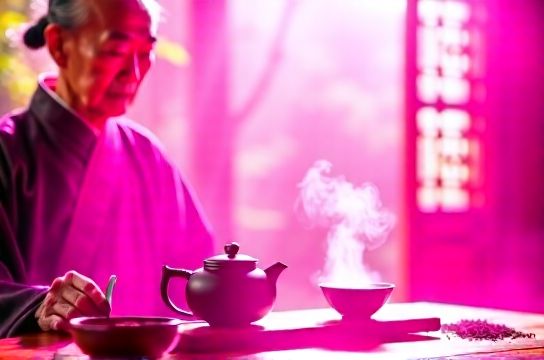
From misty mountain plantations to the quiet elegance of a traditional gongfu tea ceremony, China’s tea culture is as diverse as its geography. Whether you're a curious beginner or a seasoned sipper, this guide will take you on a flavorful tour through ancient rituals, regional brews, and modern twists—all steeped in authenticity.
The Roots: Where Tea Began
Legend has it that Emperor Shen Nong discovered tea in 2737 BCE when leaves from a wild tree blew into his boiling water. While that might be myth, archaeological evidence confirms tea consumption during the Han Dynasty (206 BCE–220 CE). Today, China produces over 3 million tons of tea annually—nearly 40% of the world’s supply!
Top 5 Tea Types You Need to Try
China boasts six major tea categories, but these five are essential for any tea explorer:
| Tea Type | Region | Caffeine Level | Flavor Profile | Average Price (USD/100g) |
|---|---|---|---|---|
| Longjing (Dragon Well) | Hangzhou, Zhejiang | Medium | Grassy, nutty, smooth | $18 |
| Dahongpao (Big Red Robe) | Wuyi Mountains, Fujian | High | Toasted, mineral, floral | $45 |
| Baihao Yinzhen (Silver Needle) | Fujian | Low | Sweet, delicate, floral | $30 |
| Pu'er (Aged) | Yunnan | Medium-High | Earthy, woody, complex | $25 |
| Tieguanyin (Iron Goddess) | Anxi, Fujian | Medium | Floral, creamy, aromatic | $22 |
Pro tip: Use water just below boiling (80–95°C) depending on the tea type. Green teas scald easily—keep it cool!
The Gongfu Tea Ceremony: More Than Just Brewing
If tea were a meditation, gongfu cha would be the mantra. This meticulous method, meaning 'making tea with skill,' uses small clay teapots (Yixing), multiple short steeps, and precise temperatures to unlock layers of flavor.
Each pour reveals something new—first bitterness, then sweetness, then aroma. It’s not fast. It’s not casual. But it’s unforgettable.
Tea Houses & Modern Trends
Traditional tea houses in cities like Chengdu and Suzhou remain cultural hubs—think wooden lattices, calligraphy scrolls, and the soft clink of porcelain. But a new wave is rising: boutique tea bars in Shanghai and Beijing now serve matcha lattes, tea cocktails, and even tea-infused desserts.
Yet, no matter how modern the setting, the core philosophy stays the same: mindfulness, respect, and harmony.
Final Sip: Why Tea Still Matters
In a world rushing toward instant everything, Chinese tea culture reminds us to slow down. Every leaf tells a story—from soil to cup. Whether you’re sipping pu’er in a Yunnan village or brewing Longjing in your kitchen, you’re not just drinking tea. You’re joining a legacy.
So next time you brew a cup, ask yourself: what ancient ritual am I part of today?