
Experience the Heart of Tea Culture in China Daily
- Date:
- Views:162
- Source:The Silk Road Echo
Tea isn’t just a drink in China—it’s a way of life. From misty mountain plantations to bustling city teahouses, sipping tea is woven into the rhythm of daily living. If you’ve ever wondered what makes Chinese tea culture so deep and intoxicating, grab a cup and let’s dive in.
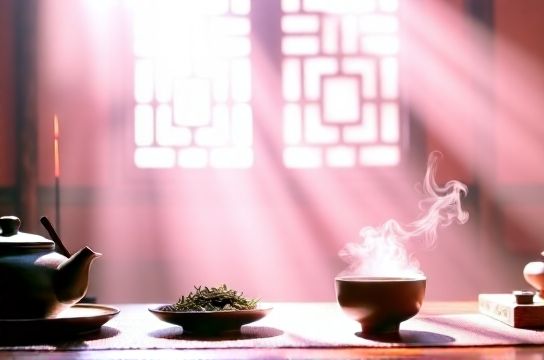
The Roots Run Deep
China has been cultivating tea for over 5,000 years. Legend says Emperor Shen Nong discovered tea when leaves blew into his boiling water. Whether that’s true or not, one thing’s certain: tea is part of the nation’s DNA. Today, China produces over 3 million tons of tea annually—nearly 40% of the world’s supply.
Top Tea Types You Gotta Try
Forget basic black tea. China offers a rainbow of flavors and traditions. Here are the big five:
| Tea Type | Region | Caffeine Level | Flavor Profile |
|---|---|---|---|
| Longjing (Dragon Well) | Hangzhou, Zhejiang | Medium | Grassy, nutty, fresh |
| Da Hong Pao (Big Red Robe) | Wuyi Mountains, Fujian | High | Toasty, floral, mineral |
| Bai Hao Yinzhen (Silver Needle) | Fujian | Low | Sweet, delicate, floral |
| Pu’er (Aged & Raw) | Yunnan | Medium-High | Earthy, woody, complex |
| Tieguanyin (Iron Goddess) | Anxi, Fujian | Medium | Creamy, orchid-like, smooth |
Each type tells a story. Take Longjing—picked by hand during Qingming Festival, it’s so prized that top batches sell for thousands per kilo. Or Pu’er, which gets better with age like fine wine. Some vintage Pu’er cakes go for more than gold by weight!
Tea Rituals That Hit Different
In China, brewing tea is an art form. The Gongfu Cha method—using tiny pots and multiple short steeps—is all about unlocking layers of flavor. It’s not fast, but it’s meditative. One session can last an hour, turning tea time into soul time.
And don’t be surprised if your host rinses the tea leaves first. That ‘awakening rinse’ isn’t waste—it’s respect. It cleans the leaves and preps them to shine.
Where to Sip Like a Local
- Chengdu Teahouses: Head to parks like People’s Park, where locals play mahjong, get ear cleaned (!), and sip jasmine tea from gaiwan cups.
- Hangzhou Tea Villages: Tour Longjing fields, try fresh-picked brews, and bargain for your own stash.
- Guangzhou Dim Sum Spots: Pair your har gow with a pot of Tieguanyin—cleanses the palate and warms the heart.
Pro Tips for Travelers
- Always accept tea when offered—it’s hospitality 101.
- Tap two fingers on the table to say thanks when someone pours for you (legend says Emperor Qianlong did this incognito).
- Avoid tourist traps. Ask locals: “Nǎr mǎi hǎo chá?” (Where to buy good tea?)
At the end of the day, Chinese tea culture isn’t about perfection—it’s about presence. So slow down, smell the steam, and let the leaves tell their tale. After all, as the saying goes: "One who drinks tea drinks peace."