
Tea Culture China A Calm Moment in Busy Cities
- Date:
- Views:192
- Source:The Silk Road Echo
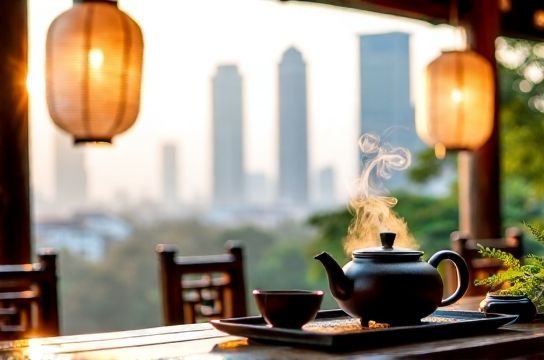
Ever felt like city life is spinning too fast? You're not alone. Amid the honking horns and endless scrolling, more people in China are turning to an ancient escape: tea culture. It’s not just about sipping a warm drink—it’s a lifestyle reset. From bustling Shanghai teahouses to quiet Chaozhou gongfu cha rituals, tea in China is a bridge between tradition and tranquility.
Why Tea? The Numbers Speak
China produces over 3 million tons of tea annually, accounting for nearly 40% of global output (FAO, 2023). But it’s not just about quantity—quality and ritual matter. In 2023, urban Chinese spent an average of ¥1,200 per year on premium tea, up 18% from five years ago (Statista). Clearly, tea isn’t fading—it’s evolving.
Tea Culture in Modern Cities: A Revival
Gone are the days when tea was just for grandparents. Today’s tea houses blend old-world charm with Instagram-worthy aesthetics. Take Beijing’s Haihong Teahouse or Chengdu’s One Tree Tea—both attract millennials seeking mindfulness in matcha (well, oolong and pu’er, actually).
What makes Chinese tea culture unique? It’s the art of presence. Whether it’s the precise water temperature for Longjing (80°C!) or the 90-second steep in a Yixing clay pot, every step is intentional.
Popular Tea Types & Their Urban Appeal
| Tea Type | Origin | Caffeine Level | Urban Popularity Index* |
|---|---|---|---|
| Pu’er (aged) | Yunnan | Medium-High | 9.2/10 |
| Oolong (Tieguanyin) | Fujian | Medium | 8.7/10 |
| Green (Longjing) | Zhejiang | Low-Medium | 8.5/10 |
| White (Baihao Yinzhen) | Fujian | Low | 7.3/10 |
*Based on consumer surveys across 6 major Chinese cities, 2023
How to Experience Tea Culture Like a Local
You don’t need to be a scholar to enjoy tea culture. Here’s how to dive in:
- Visit a traditional teahouse: Skip the chains. Look for places where the staff explain brewing methods.
- Try gongfu cha: This “kung fu tea” method uses small pots and multiple short steeps—perfect for savoring complex flavors.
- Learn the etiquette: Tapping two fingers on the table? That’s a silent “thank you” when someone pours your tea.
And hey—don’t stress about perfection. As one Shanghai tea master told me: “The best tea is the one you drink with peace in your heart.”
Final Sip: More Than Just a Drink
In a world addicted to speed, Chinese tea culture offers something radical: stillness. It’s not about escaping the city—it’s about finding calm within it. So next time you’re overwhelmed, skip the third coffee. Try a cup of aged pu’er instead. Your mind (and maybe your Instagram feed) will thank you.