
Experiencing Tea Culture China in Daily Routines
- Date:
- Views:198
- Source:The Silk Road Echo
If you've ever sipped a warm cup of oolong while watching the mist roll over Fujian's mountains, or shared a pot of chrysanthemum tea with a local grandpa in a Beijing hutong, then you’ve already dipped your toes into the soul of Chinese tea culture. But here’s the real tea—pun intended: tea in China isn’t just a drink. It’s a rhythm, a ritual, and a way of life woven into everyday moments.
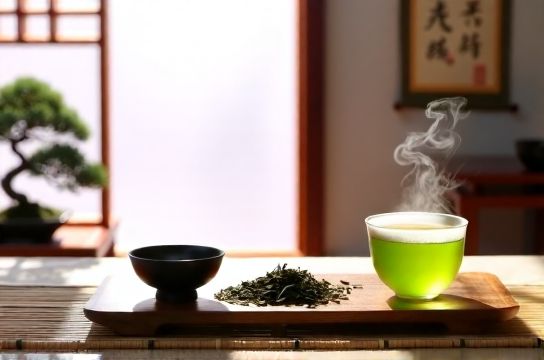
The Daily Grind? Make It a Tea Grind
In bustling cities like Hangzhou or Chengdu, tea isn’t reserved for fancy ceremonies. It’s the morning wake-up call, the midday reset, and the evening wind-down. Office workers keep gaiwan (lidded bowls) on their desks. Street vendors serve free kuading cha (public tea) from giant thermoses. Even at barber shops, you’re handed a hot cup before your trim. That’s how deep tea runs—it’s hospitality in liquid form.
Tea by the Numbers: A Sip of Data
Let’s talk stats. According to China’s Ministry of Agriculture, the country produced over 3 million metric tons of tea in 2023—nearly 40% of global output. And get this: the average Chinese person drinks about 1.2 kg of tea per year, compared to just 0.15 kg in the U.S.
| Tea Type | Production Share (%) | Top Region | Caffeine Level (mg/cup) |
|---|---|---|---|
| Green Tea | 70% | Zhejiang (Longjing) | 20–35 |
| Oolong | 12% | Fujian (Tieguanyin) | 30–50 |
| Black Tea (Red Tea) | 8% | Yunnan (Dianhong) | 40–60 |
| Pu’er | 7% | Yunnan | 50–70 |
Yep, green tea dominates—but don’t sleep on pu’er. This fermented brew is like fine wine: it ages well, packs flavor, and has fans who treat it like liquid gold.
How to Live the Tea Life—Even If You’re Not in China
- Morning Ritual: Skip the espresso. Try a delicate Longjing (Dragon Well). Its chestnut aroma wakes you up without the jitters.
- Lunch Companion: After a heavy meal? Tieguanyin oolong aids digestion and dances between floral and toasty notes.
- Afternoon Slump Fix: Cold-brew green tea overnight. Serve over ice with a sprig of mint. Boom—refreshment, Chinese style.
- Nightcap (No Alcohol): Aged pu’er is smooth, earthy, and won’t keep you up. Bonus: it’s believed to help lower cholesterol.
Pro Tip: The Gongfu Cha Way
Want to go full immersion? Try gongfu cha—the ‘skillful tea’ method. It uses small pots, high leaf-to-water ratios, and multiple short steeps. Each infusion reveals new layers. It’s not fussy; it’s focused. And yes, you need patience. But hey, isn’t that what mindfulness is all about?
In a world of quick scrolls and faster lattes, Chinese tea culture invites you to slow down, breathe, and taste the moment. So next time you pour a cup, don’t just drink it—experience it. After all, every sip tells a story… 5,000 years in the making.