
Experiencing Tea Culture China in Everyday Urban Life
- Date:
- Views:204
- Source:The Silk Road Echo
Think tea in China is just about sipping leaves in silence? Think again. From bustling Beijing hutongs to Shanghai’s sky-high cafés, tea culture China isn’t stuck in ancient temples—it’s alive, kicking, and steeping right in the heart of modern urban life.
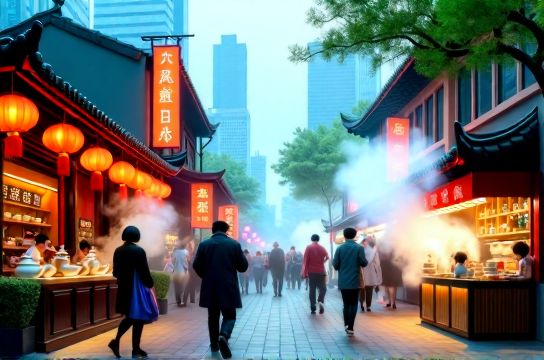
Forget everything you know about stiff tea ceremonies. Today’s Chinese tea scene blends tradition with TikTok trends, making it more accessible—and honestly, way more fun—than ever before.
The Daily Grind (With a Side of Oolong)
In cities like Guangzhou and Chengdu, morning tea isn’t a ritual—it’s a lifestyle. Locals flock to dim sum restaurants as early as 6 a.m., where bamboo steamers rise like skyscrapers and every table has a pot of Cantonese pu’er on constant refill.
Data shows that over 78% of urban Chinese adults drink tea daily, according to a 2023 survey by the China Tea Marketing Association. That’s higher than coffee consumption in most Western countries!
Tea on the Move: Bottled Brews & Bubble Tea Wars
You can’t walk five blocks in Shenzhen without spotting a HeyTea or Naixue store. These aren’t your grandma’s teahouses—they’re neon-lit, app-driven empires serving up fruit-infused oolongs and cheese-topped teas.
In fact, China’s ready-to-drink tea market hit $24 billion in 2023, growing at 9.3% annually. And yes, bubble tea counts as a gateway to traditional flavors—many Gen Z drinkers start with mango green tea but end up exploring Tieguanyin and Longjing.
| Tea Type | Popularity in Cities (%) | Average Price (RMB) |
|---|---|---|
| Pu’er | 68% | 35 |
| Green Tea (Longjing) | 62% | 40 |
| Oolong (Tieguanyin) | 57% | 38 |
| Chrysanthemum | 45% | 25 |
| Bubble Tea (Modern) | 82% | 28 |
Notice something? Even ‘traditional’ teas are priced for everyday access. Many office workers keep a gaiwan on their desk—because nothing says “I’m focused” like brewing your third round of oolong by 10 a.m.
Third Wave Tea: The Hipster Takeover
Enter the chá kōngjiān—tea spaces that look like Scandinavian co-working lounges but smell like jasmine gardens. In Hangzhou, places like Tea Artisan Lab offer tasting flights of single-origin Longjing, complete with pH charts and elevation maps.
These spots attract young professionals who want authenticity without the formality. No need to memorize 21-step Gongfu rituals—just show up, sip mindfully, and snap a latte-art-style matcha photo for WeChat Moments.
How to Join the Movement (Even If You’re Not Chinese)
- Start simple: Grab a bottled osmanthus green tea from any convenience store. It’s sweet, floral, and shockingly authentic.
- Visit a wet market: In cities like Kunming, morning tea stalls serve locals for under 5 RMB. Bring cash and a smile.
- Try a tea bar: Look for places using glass pots or vertical drip systems. They often explain terroir like wine bars do grapes.
The truth? Tea culture China isn’t about perfection. It’s about presence. Whether you’re sharing a pot with coworkers or solo-brewing in a 10m² apartment, tea is the quiet pause in the city’s chaos.
So next time you’re in Shanghai or Chongqing, skip the Starbucks. Find that unmarked door with steam fogging the windows. Inside, someone’s pouring golden brew from a Yixing pot. That’s not just tea—that’s urban China breathing.