
A Day in the Life of Local Lifestyle China Residents
- Date:
- Views:227
- Source:The Silk Road Echo
Ever wondered what it's really like to live like a local in China? Forget the tourist traps and luxury hotels — we’re diving into the authentic rhythm of everyday life across Chinese cities and countryside alike. From morning tai chi to midnight street food runs, here’s your insider look at real Chinese lifestyle.
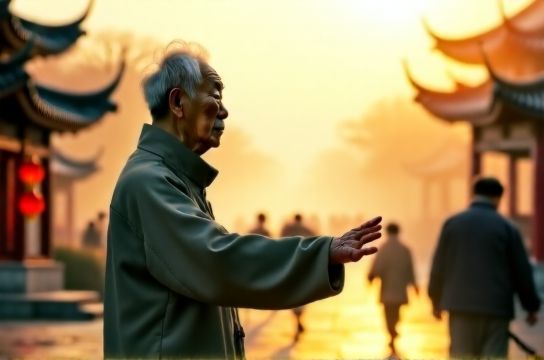
Morning Rituals: Rise with the Sun
In most Chinese households, the day starts early — often before 6:30 AM. Whether in bustling Shanghai or quiet Sichuan villages, mornings are all about routine and wellness. You’ll spot locals practicing tai chi in parks, stretching under ancient trees, while others queue at steamed bun stalls for warm baozi and soy milk.
Breakfast isn’t fancy, but it’s filling. A typical meal includes:
- Steamed buns (mantou) or dumplings
- Soy milk (sweet or savory)
- Pickled vegetables or congee (rice porridge)
Work & School: The Hustle Begins
By 8 AM, cities come alive. Commuters flood subways — Beijing’s metro carries over 12 million riders daily. Office workers sip tea at desks by 9, while students recite poetry in classrooms. Education is taken seriously: China ranks #1 in global math and science scores (PISA 2022).
Remote work is rising, especially post-pandemic. In 2023, 24% of urban professionals worked hybrid or fully remote — up from just 7% in 2019.
Lunch Break Culture: Noodles, Not Sandwiches
No sad desk salads here. Lunch is a social event. Workers head to nearby noodle shops or canteens dishing out affordable meals for ¥15–25 (~$2–3.50). Regional variety shines:
| Dish | Region | Avg. Price (¥) |
|---|---|---|
| Lanzhou Lamian | Gansu | 18 |
| Chongqing Hot Pot (mini) | Sichuan | 28 |
| Cantonese Dim Sum | Guangdong | 35 |
| Beijing Zhajiangmian | Northern | 16 |
Street vendors and delivery apps like Meituan keep hunger at bay — over 500 million users order food online monthly.
Afternoon Pace: Tea, Naps & Errands
Post-lunch, some offices allow short naps (yes, really!). Others hit teahouses for oolong or jasmine brews. Shopping? Most run errands via WeChat mini-programs or Alibaba’s Hema — where 70% of groceries are delivered within 30 minutes in major cities.
Sunset Scenes: Parks, Dance & Family Time
As the sun sets, public spaces transform. Grandmas dominate plazas with synchronized guangchang wu (square dancing), while families stroll riverside promenades. Parks double as social hubs — you’ll see couples doing calligraphy with water brushes on stone, kids flying kites, and retirees playing chess.
Dinner & Nightlife: Flavor After Dark
Dinner is the biggest meal. Families gather for hot pot, stir-fries, or regional specialties. And when night falls? That’s when China truly sparkles. Street food markets buzz until midnight — skewers, stinky tofu, bubble tea. Nighttime economy contributes ~6% of GDP, with cities like Xi’an and Chengdu leading the charge.
Final Thoughts: Life Moves Fast, But Stays Grounded
Living like a local in China means embracing balance — high-speed trains and slow sips of tea, digital hustle and ancient traditions. It’s a culture where community matters more than convenience, and every meal tells a story.
So next time you visit, skip the guided tours. Wake up early, grab a baozi, and walk with the flow. That’s where the real China reveals itself.