
Tea Culture China The Soul of Local Lifestyle China
- Date:
- Views:204
- Source:The Silk Road Echo
When you think of China, what comes to mind? The Great Wall? Dim sum? How about a steaming cup of fragrant tea?
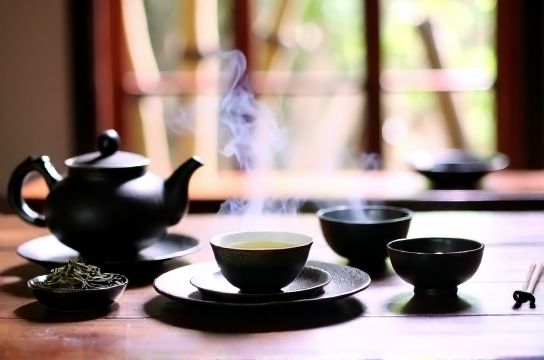
Let’s be real — tea isn’t just a drink in China. It’s a lifestyle, a ritual, and honestly, the soul of daily life. From bustling Beijing hutongs to misty Fujian mountains, tea weaves through every layer of Chinese culture like jasmine threads in oolong leaves.
China produces over 3 million tons of tea annually — that’s nearly 40% of the world’s total output. But it’s not just about quantity. It’s about quality, tradition, and the quiet art of slowing down in a fast-moving world.
The Big Five: China’s Most Iconic Teas
Not all teas are created equal. Here’s a quick breakdown of the top five types you need to know:
| Tea Type | Region | Caffeine Level | Flavor Profile |
|---|---|---|---|
| Longjing (Dragon Well) | Hangzhou, Zhejiang | Medium | Grassy, nutty, fresh |
| Dahongpao (Big Red Robe) | Wuyi Mountains, Fujian | High | Toasty, mineral, floral |
| Baihao Yinzhen (Silver Needle) | Fujian | Low | Sweet, delicate, floral |
| Pu’er | Yunnan | Medium-High | Earthy, woody, complex |
| Tieguanyin (Iron Goddess) | Anxi, Fujian | Medium | Orchid-like, creamy, smooth |
If you’re new to Chinese tea, start with Longjing — it’s like the gateway drug of green teas. For the adventurous, dive into aged Pu’er. Some cakes go for thousands of dollars — yes, really.
Tea Is Not Just Sipped — It’s Experienced
In China, brewing tea is an art form. Enter the Gongfu Cha ceremony — not some fancy performance, but a genuine way of honoring the leaf. Using tiny clay pots (usually Yixing), small cups, and boiling water, tea masters brew multiple short infusions, each revealing new layers of flavor.
Pro tip: Never rush it. A single session can last over an hour. That’s not wasted time — that’s connection, mindfulness, and respect in liquid form.
Tea Culture in Daily Life
Walk into any Chinese home, and the first thing offered is tea. It’s hospitality 101. Offices have tea sets on desks. Street vendors sell bottled chrysanthemum tea. Even your grandma might scold you for drinking iced tea — “It’s too cold for your stomach!”
And let’s talk economics: The Chinese tea market was valued at over $30 billion in 2023, with exports growing year after year. But most high-end teas? They never leave the country. Locals keep the good stuff.
How to Drink Tea Like a Local
- Tap two fingers on the table when someone pours your tea — it’s a silent “thank you” rooted in legend.
- Don’t stir — swirling breaks the leaves and ruins the infusion.
- Re-steep! Good tea can brew 5–10 times. Each round tells a different story.
So next time you sip tea, don’t just gulp it. Breathe it in. Feel the warmth. You’re not just drinking — you’re taking part in 5,000 years of culture.
China’s soul isn’t just in its history books — it’s in your teacup.