
Experiencing Tea Culture China in Small Towns
- Date:
- Views:273
- Source:The Silk Road Echo
Think China's tea culture is all about fancy ceremonies in Beijing or bustling markets in Shanghai? Think again. The real soul of Chinese tea lives in its quiet countryside—hidden in misty hills, ancient villages, and family-run plantations where time slows down with every sip.
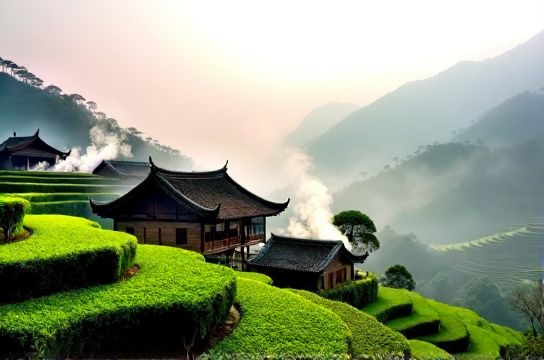
If you're craving an authentic tea culture China experience, skip the tourist traps and head to small towns like Longjing Village (Hangzhou), Anxi County (Fujian), and Pu'er City (Yunnan). These places don’t just grow tea—they breathe it.
Why Small-Town Tea Experiences Are Unbeatable
In cities, tea is often commercialized—packaged, branded, and rushed. But in rural China, tea is a way of life. Locals wake up to the sound of boiling kettles, spend days plucking leaves by hand, and pass down brewing secrets through generations.
Here’s what makes these hidden gems special:
- Authenticity: No scripts, no performances—just real people sharing their daily rituals.
- Fresher tea: Harvested and processed locally, often available the same day.
- Deeper connection: You’re not a customer; you’re a guest in someone’s tea world.
Top 3 Small Towns for Tea Lovers
Let’s break down the best spots where tea culture China thrives beyond the big cities.
| Town | Signature Tea | Best Time to Visit | Unique Experience |
|---|---|---|---|
| Longjing Village, Hangzhou | Dragon Well (Longjing) Green Tea | March–April (spring harvest) | Hand-pick tea leaves & roast them with local farmers |
| Anxi County, Fujian | Tieguanyin Oolong Tea | April–May & October–November | Participate in traditional tea-picking festivals |
| Pu'er City, Yunnan | Pu’er Fermented Tea | Year-round (dry season: Nov–April) | Age your own Pu’er cake with a local master |
Each town offers something different, but they all share one thing: a deep respect for tea as both art and heritage.
What to Expect During a Tea Homestay
Many families in these towns open their homes to travelers. For $20–$50 per night, you can stay in a rustic farmhouse, join tea harvests, and learn gongfu cha (the Chinese tea ceremony) from elders who’ve been brewing for decades.
One visitor to Anxi shared: "I woke up at 6 a.m. with the family, picked tea under the fog, then sat around a wooden table learning how to smell the steam from each steep. It was spiritual."
Tea Tourism by the Numbers
The rise of rural tea tourism isn’t just anecdotal—it’s backed by data.
| Year | Domestic Tea Tourists (Million) | Overseas Tea Tourists (Thousand) | Annual Growth Rate |
|---|---|---|---|
| 2020 | 8.2 | 140 | - |
| 2022 | 12.7 | 290 | +18% |
| 2024 | 16.3 | 410 | +14.5% |
As more travelers seek meaningful, slow-travel experiences, tea villages are stepping into the spotlight.
Pro Tips for Travelers
- Learn a few Chinese tea phrases—like “Qǐng hē chá” (Please have tea). It opens doors.
- Bring cash—many farms don’t accept cards.
- Respect the process—don’t rush the brew. In tea culture China, patience is part of the flavor.
So if you want more than just a cup—if you want a story, a memory, a moment of peace—go small. Let China’s tea villages pour you a deeper kind of travel.