
Tea Culture China The Heart of Local Lifestyle China
- Date:
- Views:278
- Source:The Silk Road Echo
When you think of China, what comes to mind? Panda bears? The Great Wall? How about a steaming cup of fragrant tea? 🍵 In truth, Chinese tea culture isn’t just about sipping leaves in hot water — it’s a centuries-old tradition woven into the very fabric of daily life, social rituals, and spiritual harmony.
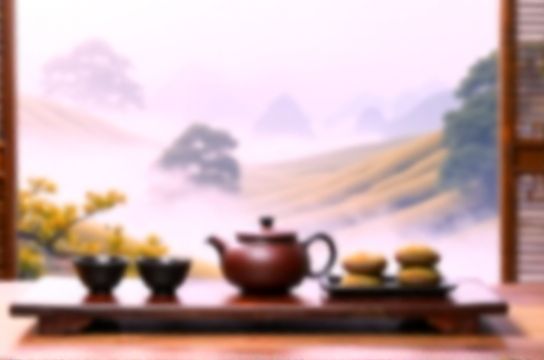
From bustling street markets in Chengdu to quiet Zen temples in Hangzhou, tea is everywhere. Over 60% of Chinese households drink tea daily, according to the China Tea Marketing Association. But this isn’t just a beverage — it’s an art, a philosophy, and for many, a way of life.
The Roots of Chinese Tea Culture
Legend has it that Emperor Shen Nong discovered tea in 2737 BCE when leaves from a wild tree drifted into his boiling water. Whether myth or not, archaeological evidence shows tea consumption dating back over 2,000 years. By the Tang Dynasty (618–907 CE), "The Classic of Tea" by Lu Yu became the world’s first definitive guide on tea cultivation and preparation — talk about steeping history!
Types of Chinese Tea: A Flavor for Every Mood
China produces over 1,000 varieties of tea, but they all fall into six main categories. Here’s a quick breakdown:
| Type | Oxidation Level | Caffeine | Famous Examples |
|---|---|---|---|
| Green Tea | Unoxidized | Medium | Longjing (Dragon Well), Biluochun |
| Oolong Tea | Semi-oxidized | Medium-High | Tieguanyin, Da Hong Pao |
| Black Tea (Red Tea in China) | Fully oxidized | High | Keemun, Lapsang Souchong |
| White Tea | Lightly oxidized | Low | Baicha Yinzhen (Silver Needle) |
| Pu’er Tea | Fermented & aged | Medium | Ripe (Shou) & Raw (Sheng) Pu’er |
| Yellow Tea | Lightly oxidized | Low-Medium | Huoshan Huangya |
Each type tells a story. Take Longjing from Hangzhou — smooth, nutty, and pan-fired to stop oxidation. Or bold, smoky Lapsang Souchong from Fujian, once a favorite of British royalty. And let’s not forget Pu’er, which can age like fine wine — some cakes sell for thousands at auction!
Tea in Daily Life: More Than Just a Drink
In China, tea is hospitality. Offering tea to guests is a sign of respect. During family reunions or business meetings, the ritual of pouring — often in delicate gongfu cha style with tiny clay pots and cups — slows things down. It’s mindfulness before mindfulness was trendy.
In cities like Guangzhou and Chongqing, “yum cha” (tea drinking) goes hand-in-hand with dim sum brunches. People spend hours chatting, laughing, and refilling each other’s cups. It’s not about rushing — it’s about connection.
Where to Experience Authentic Tea Culture
- Hangzhou: Visit West Lake and sip fresh Longjing straight from local farmers.
- Fujian: Explore Wuyi Mountains, home of rock oolongs and misty cliffs.
- Yunnan: The birthplace of Pu’er — trek through ancient tea forests.
- Chengdu: Join locals in teahouses at parks like People’s Park, where retirees play mahjong and sip tea all afternoon.
Pro tip: Try a gongfu cha session. With multiple short steeps, you’ll taste evolving layers in one sitting — floral, earthy, sweet, then clean.
Final Sip
Chinese tea culture isn’t stuck in the past — it’s alive, evolving, and deeply personal. Whether you're a casual sipper or a full-on tea geek, diving into this world offers more than flavor. It’s patience. It’s presence. It’s China, one cup at a time.
So next time you pour a cup, don’t just drink it — feel it. That’s the real essence.