
Savor the Rich Tea Culture China Is Famous For
- Date:
- Views:204
- Source:The Silk Road Echo
When you think of China, what comes to mind? The Great Wall? Dim sum? How about a steaming cup of fragrant tea? 🍵 China isn’t just the birthplace of tea — it’s the soul of tea culture. With over 5,000 years of history, Chinese tea is more than a drink; it’s an art, a ritual, and a way of life.
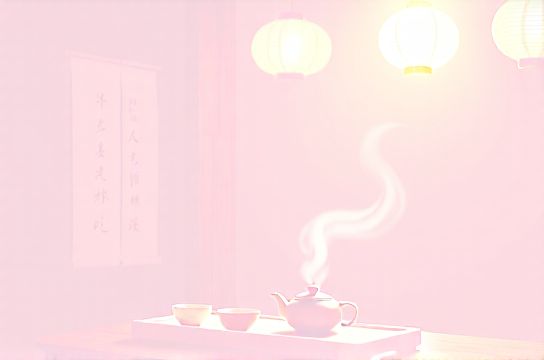
From misty mountain plantations to bustling city teahouses, tea flows through every corner of Chinese society. Whether you’re a casual sipper or a full-blown tea geek, diving into China’s tea culture is like opening a treasure chest of flavor, tradition, and wellness.
The Big Six: Types of Chinese Tea
Unlike Western blends, Chinese tea is categorized by oxidation level and processing method. Here are the six major types:
- Green Tea – Unoxidized, fresh, grassy (e.g., Longjing)
- Black Tea – Fully oxidized, bold and malty (called hong cha, “red tea” in Chinese)
- Oolong Tea – Partially oxidized, complex and floral
- White Tea – Minimally processed, delicate and sweet
- Pu-erh Tea – Fermented and aged, earthy and rich
- Yellow Tea – Rare, lightly oxidized with a mellow twist
Tea by the Numbers: A Quick Snapshot
Let’s pour some data into your cup:
| Tea Type | Annual Production (tons) | Top Growing Region | Caffeine Level (mg/cup) |
|---|---|---|---|
| Green | ~200,000 | Zhejiang (Longjing) | 20–35 |
| Oolong | ~30,000 | Fujian & Guangdong | 30–50 |
| Pu-erh | ~15,000 | Yunnan | 40–70 |
| Black (Hong Cha) | ~35,000 | Anhui (Keemun) | 40–60 |
Source: China Tea Marketing Association, 2023
Beyond the Brew: The Art of Gongfu Cha
If you really want to taste the depth of Chinese tea, try Gongfu Cha — the ‘skillful method’ of brewing. It uses small clay pots (like Yixing), tiny cups, and multiple short steeps to unlock layers of aroma and flavor.
Imagine this: one teaspoon of oolong, nine seconds of steeping, then a burst of orchid-like fragrance. Do it five more times — each infusion reveals something new. That’s not just tea; that’s meditation in motion.
Why Chinese Tea Rocks Your Health
It’s not just poetic — science backs it up. Chinese teas are packed with antioxidants like catechins and polyphenols. Studies suggest regular sipping may:
- Boost heart health
- Support metabolism
- Enhance mental clarity
- Reduce inflammation
And no, it’s not all green tea hype. Even robust pu-erh has been linked to lower cholesterol in clinical trials.
Tea Tips for Travelers & Newbies
Planning a trip to China? Skip the Starbucks and visit a traditional teahouse. In Hangzhou, sip Longjing under peach blossoms. In Chaozhou, get lost in a gongfu ceremony. Want to start at home? Here’s how:
- Start with high-quality loose leaf — ditch the bags!
- Use water just below boiling (except green/white — they’re delicate!)
- Experiment with steeping time — 30 seconds to 3 minutes
- Store tea in airtight containers, away from light and spices
Pro tip: Yixing clay teapots season over time, enhancing flavor with each brew. Treat them like a good cast-iron skillet.
Final Sip
Chinese tea culture isn’t about perfection — it’s about presence. It’s slowing down, smelling the steam, and sharing a moment. So next time you brew a cup, don’t rush. Savor the warmth, the story, the centuries in every leaf. That’s the real taste of China.