
A Day in the Life of Local Lifestyle China
- Date:
- Views:267
- Source:The Silk Road Echo
Ever wondered what it's really like to live like a local in China? Not the touristy version — we're talking about sipping soy milk from a street vendor at 7 a.m., squeezing onto the subway with millions of commuters, and ending your day with spicy Sichuan hot pot that makes your nose run but your soul sing. Let’s take a deep dive into a real day in the life of local lifestyle China, packed with flavor, rhythm, and a little chaos.
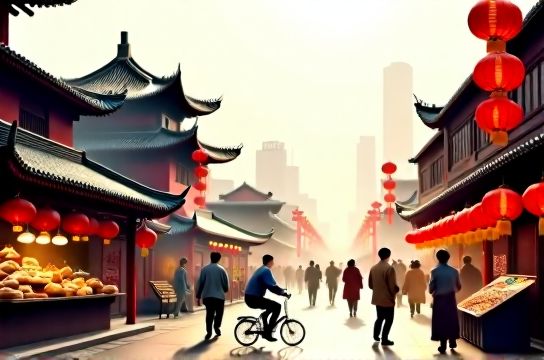
Morning Hustle: Rise and Shine, Chinese Style
Most locals start early — like, really early. By 6:30 a.m., parks are already buzzing with tai chi masters flowing like water, grandmas dancing to loud pop music, and uncles practicing calligraphy with giant brushes and water on stone floors. Breakfast? Think steaming jianbing (savory crepes), you tiao (fried dough sticks), or warm baozi stuffed with pork and veggies.
By 8 a.m., the city’s pulse hits full speed. Public transport is king here. In Beijing alone, the subway carries over 10 million riders daily. That’s more than some countries’ populations!
Daily Commute by the Numbers
| City | Daily Subway Ridership | Average Commute Time (min) | Peak Hour Density |
|---|---|---|---|
| Beijing | 10.5 million | 47 | Extremely crowded |
| Shanghai | 11.2 million | 50 | Crowded |
| Guangzhou | 9.1 million | 42 | Crowded |
Pro tip: If you’re riding during rush hour, stand to the right on escalators — it’s etiquette for those in a hurry to walk left.
Lunchtime Culture: Noodles, Rice, and Speed
Workdays mean fast, flavorful lunches. Office workers swarm food courts or hole-in-the-wall noodle joints. A typical meal? La mian (hand-pulled noodles) in broth, gan guo (dry pot), or a simple rice box with three meat-and-veg dishes. And yes — everyone uses chopsticks, even for burgers.
Did you know? Over 60% of urban Chinese eat out for lunch at least 3 times a week. Mobile payments rule here — just scan and go. No cash, no fuss.
Evening Unwind: Family, Food & Fitness
As the sun sets, cities transform. Families gather in parks for evening walks or group dances. Street markets light up, selling everything from grilled squid to phone cases. And then — dinner. This isn’t just a meal; it’s an event. Hot pot is king, especially in Chengdu and Chongqing, where the broth boils as fiercely as the locals’ personalities.
Monthly Average Spending on Dining Out (Urban Adults):
- Low-tier cities: ¥800–1,200 (~$110–170)
- First-tier cities: ¥1,500–2,500 (~$210–350)
Nightlife? More Like ‘Weiqi’ and Walks
Forget clubs and bars — many locals prefer low-key evenings. You’ll see retirees playing weiqi (Go) under streetlights, couples strolling by rivers, or young folks chilling in 24-hour convenience stores with bubble tea in hand. That said, cities like Shanghai and Shenzhen do have vibrant bar scenes — just don’t expect last call at 2 a.m.
Why It All Works
The secret to China’s daily rhythm? Efficiency, community, and a deep-rooted balance between tradition and tech. From facial recognition entry in apartments to AI-powered delivery drones, life moves fast — yet still feels grounded in family and routine.
So next time you visit, skip the guided tours. Wake up early, grab a congyoubing, ride the subway, and taste real life. That’s the best way to experience the authentic local lifestyle China has to offer.