
Immersing in Tea Culture China Beyond the Teacup
- Date:
- Views:164
- Source:The Silk Road Echo
When you think of China, what comes to mind? Panda bears, the Great Wall… and of course, tea. But Chinese tea culture is way more than just sipping a warm drink — it’s a lifestyle, an art form, and a journey through history, all wrapped in the delicate aroma of freshly brewed leaves.
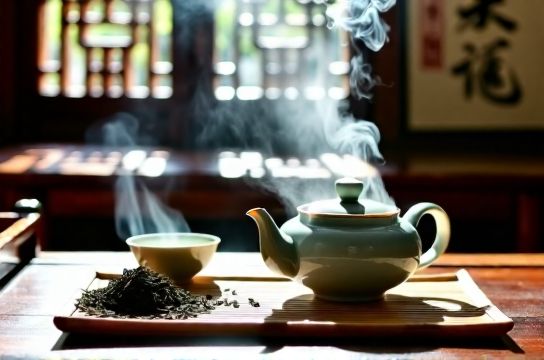
The Soul of Chinese Tea Culture
Tea in China isn’t just a beverage; it’s a ritual. From ancient emperors to modern-day grandmas in Beijing hutongs, tea has been at the heart of daily life for over 5,000 years. Legend says Emperor Shen Nong discovered tea when a leaf accidentally fell into his boiling water. Whether that’s true or not, one thing’s certain: the Chinese have mastered the craft like no other.
There are six main types of Chinese tea, each with its own flavor profile, processing method, and regional pride:
| Tea Type | Key Regions | Caffeine Level | Average Price (USD/100g) |
|---|---|---|---|
| Green Tea | Zhejiang, Anhui | Medium | $8–$25 |
| Oolong Tea | Fujian, Guangdong | Medium-High | $12–$40 |
| Black Tea (Red Tea) | Yunnan, Fujian | High | $10–$30 |
| White Tea | Fujian | Low | $15–$50 |
| Pu-erh Tea | Yunnan | Medium | $20–$100+ |
| Yellow Tea | Hunan, Sichuan | Low-Medium | $18–$35 |
Where to Experience Authentic Tea Culture
If you're visiting China, skip the tourist traps and head straight to the real tea hubs:
- Hangzhou: Home of Longjing (Dragon Well) green tea. Take a walk through the misty hills of West Lake and sip fresh brews at a family-run plantation.
- Anxi, Fujian: The oolong capital. Try Tieguanyin (Iron Goddess of Mercy) — floral, smooth, and unforgettable.
- Xishuangbanna, Yunnan: Go deep into Pu-erh country. Explore ancient tea trees older than your great-great-grandparents.
How to Drink Tea Like a Local
Forget tea bags. In China, it’s all about gongfu cha — the 'skillful' way of brewing. This method uses small clay teapots (like Yixing), multiple short steeps, and serious attention to water temperature.
Quick tips:
- Use spring water — tap water kills flavor.
- Pre-rinse leaves to ‘awaken’ them.
- Serve with quiet respect — silence often speaks louder than words.
Tea Isn’t Just for Drinking
In traditional Chinese medicine, tea balances the body’s qi. Green tea cools, black tea warms, and Pu-erh aids digestion after heavy meals. Even today, many locals swear by tea for wellness.
And let’s not forget tea snacks — from sweet osmanthus cakes to salty melon seeds — they’re the perfect sidekick to a long tea session.
Final Sip
Exploring tea culture in China is like peeling an onion — layer after layer of history, flavor, and philosophy. It’s not about rushing; it’s about slowing down, connecting, and truly tasting life, one leaf at a time.