
Immersing in Tea Culture China A Ritual of Everyday Peace
- Date:
- Views:267
- Source:The Silk Road Echo
Tea isn't just a drink in China—it's a way of life. From misty mountain plantations to bustling city teahouses, the ritual of brewing and sipping tea weaves through daily routines like a warm thread of calm. If you're looking to truly experience Chinese tea culture, this guide spills the leaves on where to go, what to try, and how to sip like a local.
The Heart of the Harvest: Where China’s Best Tea Grows
China produces over 3 million tons of tea annually—more than any other country. But it's not just about quantity; it's about terroir, tradition, and taste. The most famous regions each specialize in a type of tea, shaped by climate, soil, and centuries-old techniques.
| Region | Famous For | Harvest Season | Caffeine Level |
|---|---|---|---|
| Hangzhou, Zhejiang | Longjing (Dragon Well) Green Tea | March–April | Medium |
| Anxi, Fujian | Tieguanyin Oolong | Spring & Autumn | Medium-High |
| Mengding Mountain, Sichuan | Mengding Ganlu (Sweet Dew) | March–May | Low-Medium |
| Xishuangbanna, Yunnan | Pu'er (Fermented Tea) | Year-round (best in spring) | High (aged), Low (raw) |
Pro tip: Visit during harvest season and you might score a hands-on tea-picking experience—plus fresh leaves to take home.
Beyond the Cup: The Art of Gongfu Cha
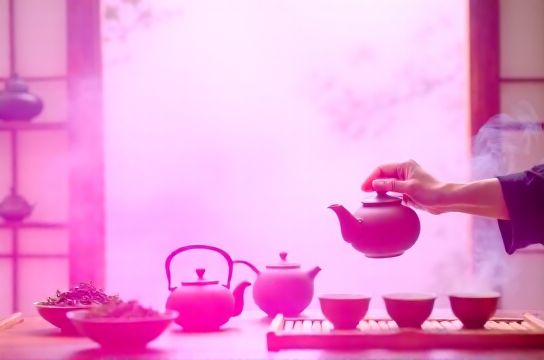
If you’ve only ever dunked a tea bag, prepare for a revelation. Gongfu cha, or “tea with skill,” is the traditional Chinese method of brewing small, concentrated infusions using oolong or pu’er. It’s not just about flavor—it’s theater. Think tiny clay pots, steaming water, and slow, meditative pours.
A typical gongfu session includes:
- Rinsing the tea leaves (to awaken them)
- Multiple short steeps (each revealing new layers of flavor)
- Serving in thimble-sized cups
In cities like Guangzhou or Fuzhou, teahouses double as social hubs. Locals gather after meals, turning tea into conversation fuel. One hour there feels like a digital detox spa day.
Tea Etiquette: Sip Smart, Not Loud
Want to blend in? Follow these unspoken rules:
- Tap the table twice with two fingers when someone pours your tea—it’s a silent “thank you” (legend says Emperor Qianlong did this incognito!)
- Don’t fill the cup to the brim—leave room for respect (and aroma)
- Smell the cup before sipping. Seriously, it’s encouraged.
Must-Try Teas for First-Timers
You don’t need to be a connoisseur to appreciate these classics:
- Longjing (Dragon Well): Buttery, nutty green tea from Hangzhou. Light and refreshing—perfect for spring mornings.
- Tieguanyin: Floral oolong with orchid notes. Each steep unfolds like a mystery novel.
- Pu’er: Earthy and bold. Aged versions can cost more than wine—and taste even better.
And yes, you can (and should) bring some home. Look for vacuum-sealed packs labeled with origin and harvest date.
Final Steep: Why Tea Still Matters
In a world that never stops buzzing, Chinese tea culture offers something rare: presence. Whether you're watching steam curl from a porcelain pot or sharing laughter over endless refills, tea slows time. It’s not just about taste—it’s about connection, mindfulness, and everyday peace.
So next time you visit China, skip the crowded tourist spot. Find a quiet teahouse, say “qǐng wèn, yǒu kōng ma?” (“Excuse me, is there space?”), and let the ritual begin.