
Immerse Yourself in Tea Culture China and Daily Traditions
- Date:
- Views:193
- Source:The Silk Road Echo
Tea isn't just a drink in China—it's a way of life. For over 5,000 years, tea has been woven into the fabric of Chinese society, from imperial courts to humble village homes. If you're curious about Chinese tea culture, you're in for more than just a caffeine kick. You're stepping into a world of ritual, flavor, and mindfulness that’s deeply tied to daily traditions.
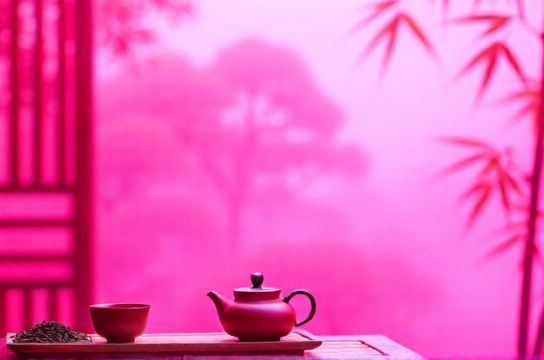
The Heart of Chinese Tea: More Than Just a Cup
In China, tea is everywhere. It’s served at breakfast, offered to guests, and even used in marriage ceremonies. The average Chinese person drinks about 1.2 kg of tea per year, according to industry reports. But it’s not about quantity—it’s about quality and connection.
There are six main types of Chinese tea, each with its own processing method and flavor profile:
| Type of Tea | Oxidation Level | Flavor Profile | Famous Example |
|---|---|---|---|
| Green Tea | Unoxidized | Grassy, fresh, slightly bitter | Longjing (Dragon Well) |
| Oolong Tea | Semi-oxidized (15%-70%) | Floral, creamy, complex | Tieguanyin |
| Black Tea (Red Tea in China) | Fully oxidized | Malty, sweet, robust | Keemun |
| White Tea | Minimally processed | Delicate, sweet, subtle | Baihao Yinzhen |
| Pu'er Tea | Fermented & aged | Earthy, woody, deep | Shou Pu'er |
| Yellow Tea | Slight oxidation | Smooth, mellow, rare | Huangshan Maofeng |
Tea in Daily Life: Rituals That Ground a Nation
Ever walked into a Chinese home and been handed a warm cup before you even sit down? That’s hospitality steeped in tradition. Offering tea is a sign of respect—whether you’re greeting elders, thanking someone, or sealing a business deal.
In cities like Chengdu, tea houses are social hubs. Locals play mahjong, chat for hours, and sip gongfu-style brews. In fact, Sichuan Province alone has over 30,000 tea houses—that’s one for nearly every 2,000 people!
The gongfu cha method—meaning “making tea with skill”—is all about precision. Small clay pots, multiple short steeps, and attention to water temperature bring out layers of flavor. It’s not fast; it’s intentional.
How to Experience Authentic Tea Culture
- Visit a tea plantation: Try Longjing Village near Hangzhou or Anxi in Fujian for oolong.
- Take a tea ceremony class: Many cultural centers in Beijing and Shanghai offer beginner sessions.
- Buy tea from local markets: Avoid tourist traps; look for shops where locals line up.
- Brew it right: Use glass for green tea (watch the leaves dance!), and Yixing clay pots for oolong and pu’er.
And pro tip: never fill the cup all the way. A full cup implies you don’t want more—leave space for connection.
Final Sip: Why This Tradition Still Matters
In our fast-paced world, Chinese tea culture reminds us to slow down. It’s not about rushing through a to-go cup. It’s about presence, patience, and sharing quiet moments. Whether you're sipping delicate white tea in a bamboo grove or joining friends for strong pu’er in a bustling market, you’re not just drinking tea—you’re living it.
So next time you pour a cup, ask yourself: Am I just hydrating, or am I honoring 5,000 years of tradition? The answer might change how you taste it.