
Uncover Tea Culture China in a Traditional Hangzhou Garden
- Date:
- Views:197
- Source:The Silk Road Echo
Ever sip tea while sitting in a 400-year-old garden, surrounded by lotus ponds and ancient pavilions? Welcome to Hangzhou — where tea isn’t just a drink, it’s a way of life. If you’re chasing authenticity in Chinese culture, skip the crowded malls and head straight to a traditional garden where Longjing (Dragon Well) tea flows like poetry.
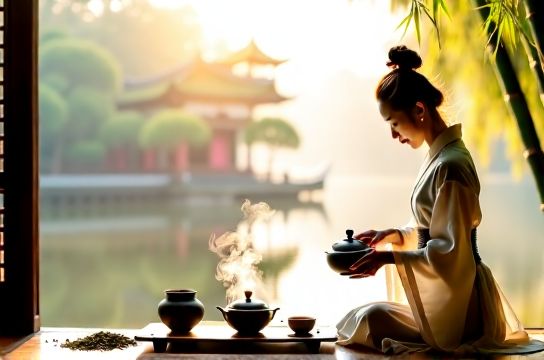
Hangzhou’s West Lake area is home to some of China’s most serene classical gardens — think misty mornings, soft flute music drifting through bamboo groves, and tea masters who’ve spent decades perfecting their craft. These aren’t tourist traps; they’re living temples of tranquility and taste.
Why Hangzhou? The Heart of Chinese Tea Culture
Did you know Hangzhou produces over 30% of China’s premium green tea? Longjing tea, grown in the hills around West Lake, has been a royal favorite since the Song Dynasty. Today, it’s still hand-picked and pan-fired by local artisans using techniques passed down for generations.
A visit to a traditional garden here isn’t just scenic — it’s sensory. You’ll see the emerald tea fields, smell the nutty aroma of fresh leaves, and taste tea so clean and sweet, it’s like drinking springwater kissed by sunlight.
Top 3 Tea Gardens You Can’t Miss
Not all gardens are created equal. Here are the most authentic spots where culture, history, and flavor blend perfectly:
| Garden Name | Founded | Tea Specialty | Admission (CNY) | Best Time to Visit |
|---|---|---|---|---|
| Huogongdian Teahouse Garden | 1895 | Original Longjing | Free | March–April (harvest season) |
| Meijiawu Tea Village Garden | 1950s | Organic Hand-Picked | 60 | Spring & Autumn |
| China National Tea Museum Garden | 1991 | All Varieties | Free | Year-round |
Pro tip: Visit in early spring during the pre-Qing Ming harvest — that’s when Longjing tea is at its most tender and aromatic. A single cup can cost up to ¥100, but trust me, it’s worth every yuan.
The Ritual: How to Sip Like a Local
Drinking tea in Hangzhou isn’t about chugging caffeine. It’s a slow dance of patience and presence. Here’s how to do it right:
- Rinse the cup with hot water — it’s called ‘waking the porcelain.’
- Use 80°C water — boiling kills the delicate flavor.
- Sip slowly. Let the tea breathe. Notice the chestnut-like aftertaste.
- Refill 3–4 times. True Longjing reveals new layers with each steep.
Many gardens offer tea ceremonies hosted by robed masters who explain the philosophy behind every pour. Some even let you pick and roast your own leaves!
Final Sip: Why This Experience Sticks With You
In a world of fast travel and Instagram rushes, sipping tea in a Hangzhou garden feels revolutionary. It’s not just about tasting one of China’s finest beverages — it’s about slowing down, connecting with nature, and honoring centuries of quiet wisdom.
So next time you’re in China, skip the bullet train hustle. Find a shaded bench, warm your hands around a tiny celadon cup, and let Hangzhou’s tea culture pour into your soul.